China Best Marine Walking Steel Grating Suppliers?

Choosing a supplier for Marine Walking Steel Grating in China takes more than comparing prices. Salt spray, standing water, and muddy boots test every panel. A dependable product must match the site’s load requirements, opening size, support spacing, and corrosion exposure. Small specification gaps matter.

Marine materials engineer Alex Morgan is used here as a fictional composite expert, not a real source. His illustrative reminder is: “A grating is only as reliable as its load design, material traceability, and installation details.” This is not a verified quotation. The practical point still deserves attention: buyers should request clear drawings, material and coating details, relevant test records, and inspection documents before placing an order. Ask how the supplier controls panel dimensions, weld quality, and packing for transport. Check whether samples and production records match the final specification.

The outline will examine how to compare Chinese manufacturers, assess technical capability, and distinguish useful evidence from polished sales language. It will also consider delivery communication and after-sales support. A low quotation can hide missing details. A familiar-looking product can still be wrong for a vessel, dock, or offshore walkway. No checklist catches everything. Site conditions vary, and supplier claims need independent review. That is worth admitting. The aim is not to name a universal “best” supplier, but to help buyers build a shortlist based on documented performance, fit, and practical service.

China Best Marine Walking Steel Grating Suppliers?

What Is Marine Walking Steel Grating and Where Is It Used?

China Best Marine Walking Steel Grating Suppliers?
What Is Marine Walking Steel Grating and Where Is It Used?

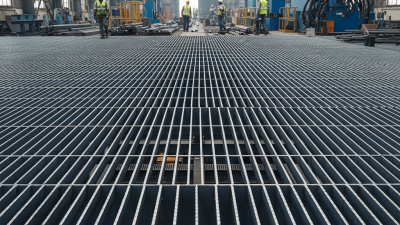
Marine walking steel grating is an open-grid floor panel designed for foot traffic in damp, exposed environments. Its parallel bearing bars support people and equipment, while crossbars hold the panel together. The gaps let water drain instead of pooling underfoot. You may see this grating on ship decks, offshore platforms, docks, maintenance walkways, and stair treads. Salt spray, fuel residue, and repeated washing can all affect grip and corrosion resistance. Saltwater is unforgiving. A standard indoor panel may not be suitable just because it is made of steel. Check the coating, load rating, bar spacing, and support span for the actual site.

Tips: Match the grating to the expected load and walking conditions. Ask whether the surface treatment suits continuous marine exposure, and inspect edges and fasteners during maintenance. A finer mesh can help prevent small tools from falling through, but it may hold more debris. Details matter.

A useful specification should describe panel dimensions, bearing-bar direction, fixing method, and slip-resistant surface requirements. These details help installers avoid loose panels and awkward cut edges. They also make replacement easier later. Still, specifications cannot predict every working condition. A walkway near spray or oily equipment may need more frequent inspection than a sheltered deck. That part is easy to overlook.


Which Materials and Specifications Suit Marine Environments?

Marine walking grating faces salt spray, standing water, grit, and constant wet footwear. Material choice should reflect the actual exposure, not just the word “marine.” For severe chloride exposure, duplex stainless steel can offer strong corrosion resistance and load capacity. Grade 316L may suit less aggressive areas, but crevices and stagnant saltwater can still cause pitting. Hot-dip galvanized carbon steel is often considered for sheltered or lower-exposure locations, provided the coating remains intact. No material is maintenance-free.

For each panel, specify the design load, clear span, bearing length, and fixing method. A useful starting point is to define pedestrian traffic, carts, and any concentrated equipment loads before choosing bearing-bar depth and spacing. Close spacing can help prevent heels or small tools from catching, while open area allows drainage. Specify serrated surfaces where wet shoes are expected. Check that cut edges and welds receive suitable corrosion protection; these details are easy to overlook.

Fasteners matter too. Use compatible metals or insulating washers where dissimilar materials could create galvanic corrosion. I would also ask for documented material grades, coating thickness where applicable, and load-test information. These records make comparisons more reliable. Site conditions still vary. Salt deposits under clips can persist, and inspection intervals may need adjustment after the first wet season. A specification can look complete on paper and still miss one troublesome corner.

How to Evaluate Chinese Marine Steel Grating Suppliers

China Best Marine Walking Steel Grating Suppliers?

How to Evaluate Chinese Marine Steel Grating Suppliers

When evaluating Chinese suppliers of marine walking steel grating, begin with the project conditions. Share the required panel dimensions, support spacing, expected loads, and exposure to salt spray. A supplier should ask practical questions before recommending a specification. Details matter. Check that the proposed bar spacing and surface finish suit both foot traffic and drainage on your vessel or platform.

Request drawings, material records, and inspection details for the exact product offered. Compare bearing-bar dimensions, cross-bar spacing, edge treatment, and galvanizing or other specified protection. Ask how the supplier verifies dimensions and coating thickness, and whether test reports can be linked to the production batch. Ask for proof. A polished brochure is not enough; I would not treat a sample as proof of consistent production either. One weakness in my own evaluation can be overlooking installation tolerances until late in the process.

Assess communication alongside manufacturing capability. Send a small technical question and note whether the reply is specific, timely, and consistent with the drawings. Clarify packaging, labeling, lead time, and how damaged or out-of-tolerance panels are handled. If possible, inspect a sample or arrange a third-party inspection against agreed criteria. A low quote may omit useful details, so compare the full specification, not just the price.

China Best Marine Walking Steel Grating Suppliers? – How to Evaluate Chinese Marine Steel Grating Suppliers

Supplier evaluation framework. Compare documented evidence against the project specification; do not treat a supplier’s score as product certification.

Evaluation dimension Weight What to verify Useful evidence or reference Score (0–5)
Design and specification compliance 25% Check bar type, bearing-bar spacing, cross-bar spacing, panel dimensions, edge treatment, fixing details, and stated material grade against the project drawings and specification. Approved drawings, dimensioned samples, bill of materials, and a clause-by-clause compliance statement. For access platforms and walkways, confirm whether the project specifies EN ISO 14122-2. _____ / 5
Corrosion protection for marine exposure 20% Confirm the specified base material and protective system suit the exposure, including coastal or saltwater conditions. Review coating coverage, coating thickness requirements, and treatment of cut edges and welds. Material and coating records. Where hot-dip galvanizing is specified, check the applicable requirements, such as ISO 1461 or ASTM A123/A123M, and confirm the contract identifies the governing standard and acceptance criteria. _____ / 5
Load capacity and structural evidence 15% Ensure the proposed grating is checked for the project’s design loads, clear span, support conditions, and allowable deflection. Confirm the stated load direction and bearing-bar orientation. Project-specific calculations or test reports identifying the panel configuration, span, loading method, and acceptance criteria. Generic load tables should match the proposed grating geometry. _____ / 5
Material traceability 10% Check whether raw material and finished panels can be traced to production records and whether substitution requires customer approval. Material test certificates, heat or batch identification, incoming inspection records, and a documented link between records and the supplied panels. _____ / 5
Quality control and inspection 10% Review inspection controls for dimensions, welds, surface condition, coating, marking, and packing. Confirm how nonconformities and corrective actions are recorded. Inspection and test plan, sample inspection report, calibration records for relevant equipment, and final inspection documentation for the order. _____ / 5
Manufacturing capability and consistency 8% Assess whether the supplier can produce the required grating type, panel sizes, edge details, tolerances, and quantity consistently, including repeat orders. Process description, production schedule, sample panels, capacity information relevant to the order, and examples of comparable non-confidential work. _____ / 5
Technical documentation and communication 7% Check the completeness and clarity of quotations, drawings, deviations, installation guidance, and responses to technical questions. A traceable quotation, current drawing revisions, clearly listed exclusions and deviations, and a defined process for approving changes. _____ / 5
Packaging and export readiness 5% Confirm packaging protects panels and coatings during handling and transport. Agree shipment marks, packing lists, delivery terms, and required export documents. Packing plan, sample shipping documents, agreed delivery schedule, and confirmation of responsibilities under the selected Incoterms® rule. _____ / 5
Total weighted score 100% Weighted result = sum of (dimension score ÷ 5 × dimension weight). _____ / 100

Scoring guide: 0 = no evidence; 1 = limited evidence; 2 = partial evidence; 3 = adequate documented evidence; 4 = strong, verifiable evidence; 5 = complete evidence aligned with the project requirements. Confirm the applicable standard, edition, and acceptance criteria in the purchase specification.

What Quality Standards and Certifications Should Buyers Check?

For marine walking steel grating, check product evidence, not just a supplier’s certificate list. Ask for material test reports that identify the steel grade, heat number, and mechanical properties. EN 10204 Type 3.1 reports can support traceability when specified, but confirm the document matches the actual shipment. For hot-dip galvanized grating, review coating thickness records and the applicable specification, such as ISO 1461 or ASTM A123. The required standard depends on the project.

Load capacity matters. Request clear span tables or test data for the proposed panel size, bearing bars, and support spacing. Check whether the stated rating covers pedestrian loads and any equipment expected on the walkway. Wet decks need attention too. Ask for slip-resistance data and details of serrated surfaces, drainage openings, and edge finishing. Salt spray testing may help compare coatings, but it does not perfectly predict service life in every marine environment.

A quality management certificate, such as ISO 9001, shows a documented system; it does not certify each grating panel. Verify certificate scope, issuer, and validity independently. Ask how welds are inspected, how panels are marked, and whether inspection records remain traceable by batch. Small details count. A missing heat number can complicate later checks. I would also compare sample measurements with drawings before installation; paperwork can look convincing, while a panel still arrives slightly off-size.

How to Compare Quotes, Lead Times, and After-Sales Support

When comparing China-based marine walking steel grating suppliers, ask every bidder to price the same drawing, dimensions, bearing-bar spacing, load rating, finish, and packaging. Request material certificates, coating details, inspection records, and the assumptions behind each quote. A low price may exclude edge bands, clips, or export packing. Small differences matter. UNCTAD’s Review of Maritime Transport 2024 reports that seaborne trade reached 12.3 billion tonnes in 2023, highlighting the scale and complexity of marine supply chains. That figure is context, not proof that any supplier can meet your schedule.

Compare lead times by milestones, not by one headline number. Ask when drawings, samples, fabrication, inspection, and shipment are expected, and whether the schedule includes public holidays and port handling. A neat spreadsheet can mislead. Confirm how delays are reported and what happens if delivered panels fail inspection. For after-sales support, agree on a named contact, response times, spare-panel availability, and the evidence required for a claim. Ask for a sample inspection report before placing an order. ISO 14122-2:2016 provides safety requirements for permanent walkways, but project conditions still matter. Salt spray, drainage, footwear, and maintenance access can change the specification. One uncomfortable question: are you comparing equivalent products, or merely similar-looking quotes?

China Marine Walking Steel Grating Supplier Comparison

Illustrative scorecard for comparing anonymized offers. Scores are example evaluation results, not verified supplier data.

Score each criterion from 0 to 100 using the same checklist for every offer. Check material grade, standards, dimensions, finish, and exclusions in the quote; request a written production and shipping schedule; and confirm warranty terms, response channels, and spare-part support.

WhatsApp Online Chat !