China Best Heavy Duty Steel Floor Grating for Your Needs?
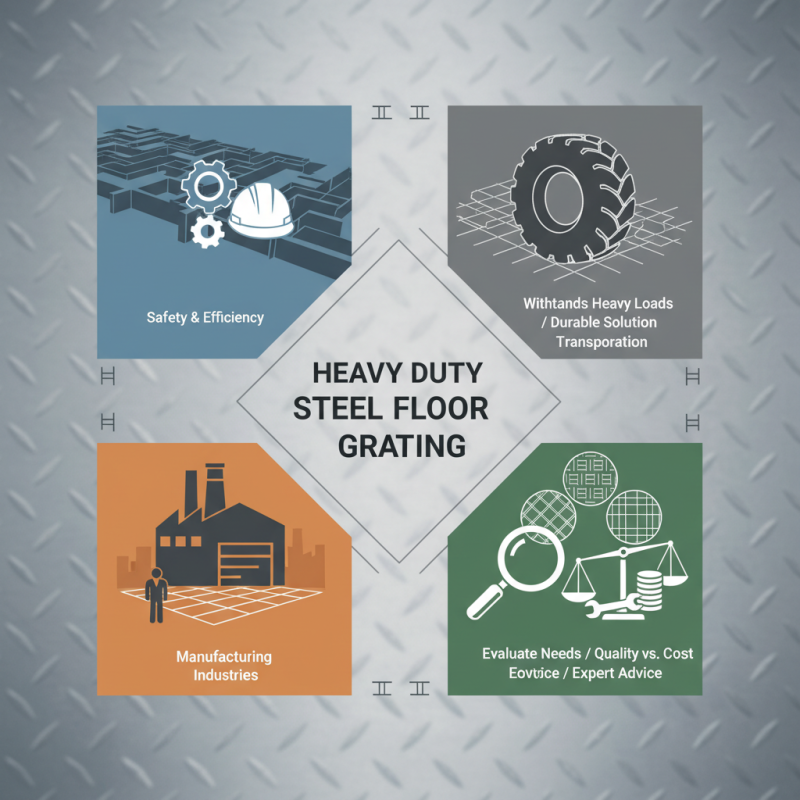
When considering the best options for industrial flooring, "Heavy Duty Steel Floor Grating" stands out. An expert in the field, John Smith, emphasizes, "The right floor grating can greatly enhance safety and efficiency." Steel grating is designed to withstand heavy loads, making it ideal for demanding environments.
Many industries rely on this durable solution, from manufacturing to transportation. It offers benefits like slip resistance and strength. However, not all grating meets rigorous standards. Buyers must carefully evaluate their needs and specifications.
The market offers various styles and finishes. Choosing the wrong type can lead to costly repairs or safety issues. It's crucial to seek advice from trusted experts. Balancing quality and cost is often a challenging decision. Observing real-world applications of "Heavy Duty Steel Floor Grating" can provide valuable insights. Each application varies, suggesting the need for deeper understanding.
Understanding Heavy Duty Steel Floor Grating and Its Applications
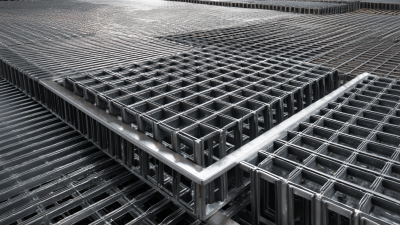
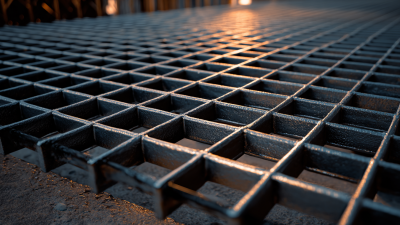
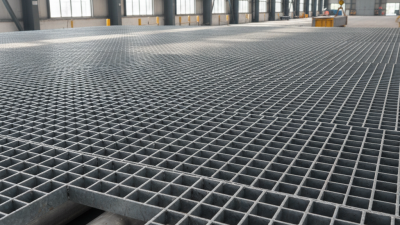
Heavy-duty steel floor grating is a critical component in many industrial applications. It provides a strong, durable surface that can withstand heavy loads. Commonly used in factories, warehouses, and outdoor areas, this flooring can support forklift traffic and heavy machinery. Its robust design also offers excellent drainage, preventing water accumulation and ensuring safety.
Understanding the different types of heavy-duty steel floor grating is essential. Gratings come in various styles, such as welded or riveted. Each type has unique characteristics that affect strength and weight. Some may offer better slip resistance, which is vital in wet environments. However, choosing the right grating can be confusing and requires careful thought.
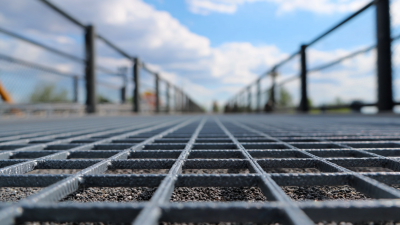
Applications for heavy-duty steel floor grating extend beyond industrial uses. They are also found in commercial buildings, such as shopping malls, where they enhance airflow and visibility. Even outdoor walkways utilize this material for its strength and longevity. It’s important to consider the specific needs of the project before making a decision. Making the right choice can be challenging, as various factors impact performance and safety.
Key Features of China’s Best Heavy Duty Steel Floor Grating
When choosing heavy-duty steel floor grating, several key features stand out. First, load-bearing capacity is crucial. Quality grating can support significant weight without bending or breaking. This is essential for industrial areas where heavy machinery operates.
Another important feature is corrosion resistance. Heavy-duty steel floor grating often undergoes treatments to withstand harsh environments. This ensures longevity in various conditions, from wet areas to chemical exposure. Users should assess the finish, as coatings directly affect durability.
Slip resistance is vital too. A well-designed surface minimizes slip hazards. Despite this, some products may not perform as promised. Users should carefully read reviews and request samples to gauge the quality. Ultimately, understanding these features aids in making an informed decision.
China Best Heavy Duty Steel Floor Grating for Your Needs? - Key Features of China’s Best Heavy Duty Steel Floor Grating
| Feature |
Description |
Benefits |
Load Capacity |
| Material Quality |
Made from high-strength steel with corrosion-resistant coating |
Durability and long-lasting performance in harsh environments |
Up to 30,000 lbs |
| Design Flexibility |
Available in a variety of sizes and load ratings |
Customizable to meet specific project requirements |
Varies by specification |
| Safety Features |
Anti-slip surface options available |
Reduces the risk of slips and falls in wet conditions |
Dependent on surface treatment |
| Installation |
Easy to install with multiple fastening options |
Saves time and labor costs on installation |
Support up to 36" spans |
| Maintenance |
Low maintenance requirements |
Cost-effective over the product's lifespan |
Consistent performance over time |
Comparative Analysis: Heavy Duty Steel Grating Types Available
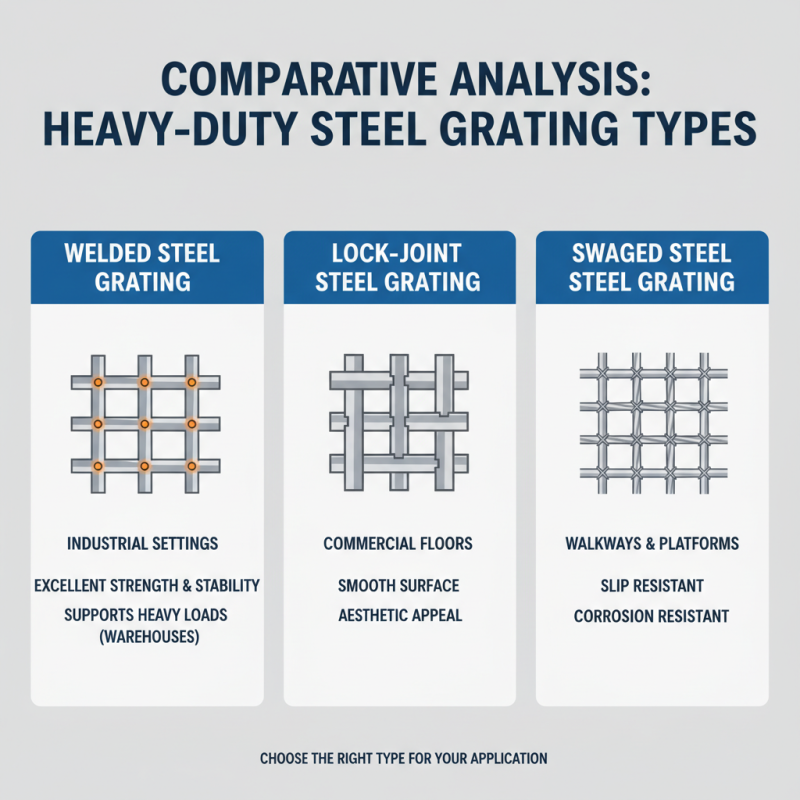
When considering heavy-duty steel grates, various types come into play. Each type has specific benefits and drawbacks that cater to different applications. For instance, welded steel grating offers excellent strength and stability, often used in industrial settings. Its solid construction can support heavy loads, making it a reliable choice for warehouses.
Another option is press-locked grating. It features a lighter design while still maintaining decent load capacity. This type is easier to install and can be more cost-effective. However, it may not withstand extreme pressure compared to welded options. Users should evaluate their load requirements carefully.
It’s essential to consider environmental factors as well. Rust resistance is crucial in humid settings. Some types come with coatings to enhance durability, but they can wear over time. Individuals must weigh the initial investment against long-term maintenance. Choosing the right type requires careful thought, as the wrong decision may lead to safety concerns or excessive costs down the road.
Selecting the Right Heavy Duty Steel Floor Grating for Your Needs
When selecting heavy duty steel floor grating, consider load capacity and environment. Heavy duty grates have various designs like welded or swaged. Think about how much weight you need them to support. A miscalculation here can lead to safety risks.
Check the corrosion resistance of the grating. In humid or chemical-heavy areas, proper material selection is crucial. Stainless steel grating may be necessary in these situations. Don't overlook the installation process. Some designs can be more challenging to install, requiring additional skills or tools.
Lastly, think about maintenance. Regular inspections help ensure long-lasting performance. Look for grating with easy cleaning features. Sometimes, it's better to choose a grating that needs minimal upkeep. This can save time and money in the long run. Reflect on what you really need before making a choice.
Maintenance and Longevity of Heavy Duty Steel Floor Grating
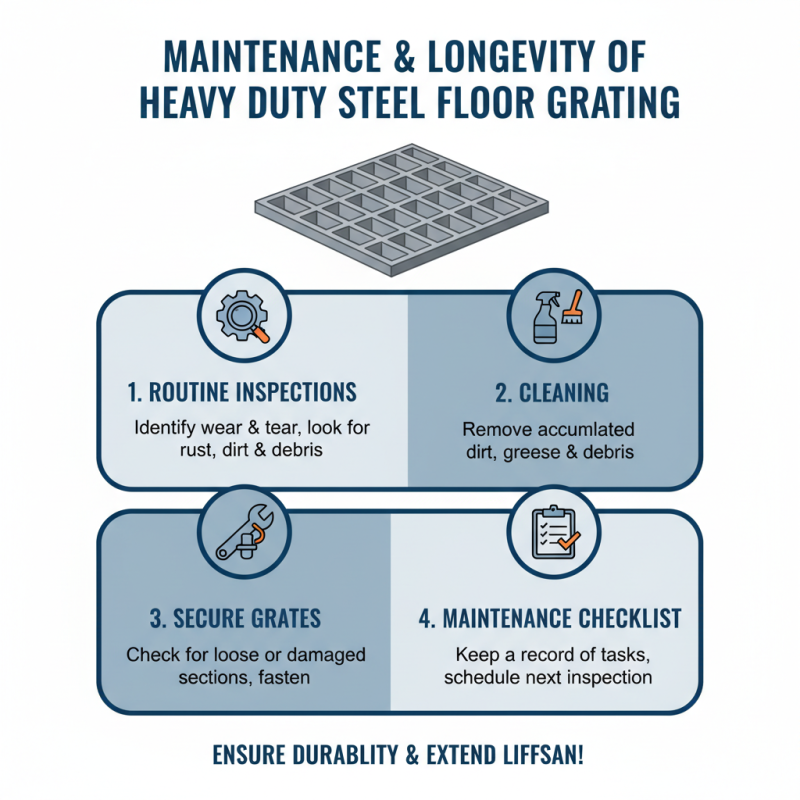
Heavy-duty steel floor grating is known for its durability. However, regular maintenance is essential to ensure longevity. Routine inspections can identify wear and tear. Rust, dirt, and debris can accumulate, leading to corrosion. Keep a checklist for maintenance tasks. This includes cleaning and checking for loose grates.
When it comes to cleaning, use wire brushes or pressure washers. These tools can effectively remove stubborn debris. Aim for a clean surface to prevent slippery conditions. However, over-cleaning can cause unnecessary wear. Striking the right balance is vital for preserving material integrity.
Assessing the load it bears is also crucial. Heavy-duty grates should handle substantial stress without bending. Each installation environment is unique. Consider factors like temperature and moisture. These can impact the lifespan, and adjustments may be needed. Embrace continuous improvement in your maintenance methods. Reflecting on your practices can lead to enhanced durability.