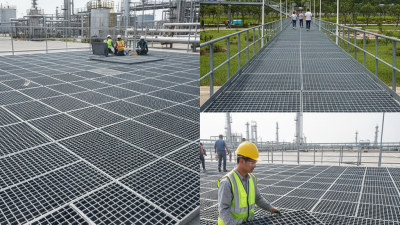
China Best Composite Steel Grating for Global Buyers?
In recent years, Composite Steel Grating has emerged as a vital component in construction and industrial applications around the globe. This innovative material combines the strength of steel with the durability of composite materials. As the demand increases, China has positioned itself as a leading supplier for international buyers seeking quality solutions.
China's manufacturing capabilities are impressive. They have developed techniques that enhance the performance of Composite Steel Grating. However, buyers must navigate a complex market. Ensuring the quality and durability of these products can be challenging. Various manufacturers offer diverse options, making it crucial for buyers to conduct thorough research. By understanding specific needs, they can select the best solutions available.
The shift towards Composite Steel Grating reflects broader trends in sustainability and efficiency. While the advantages are clear, some manufacturers still face issues with consistency. This can impact suppliers' reputations. Buyers should remain vigilant, focusing on established brands with proven expertise. Such due diligence will lead to better decision-making and more reliable procurement outcomes.

China's Steel Grating Market Overview: Trends and Statistics
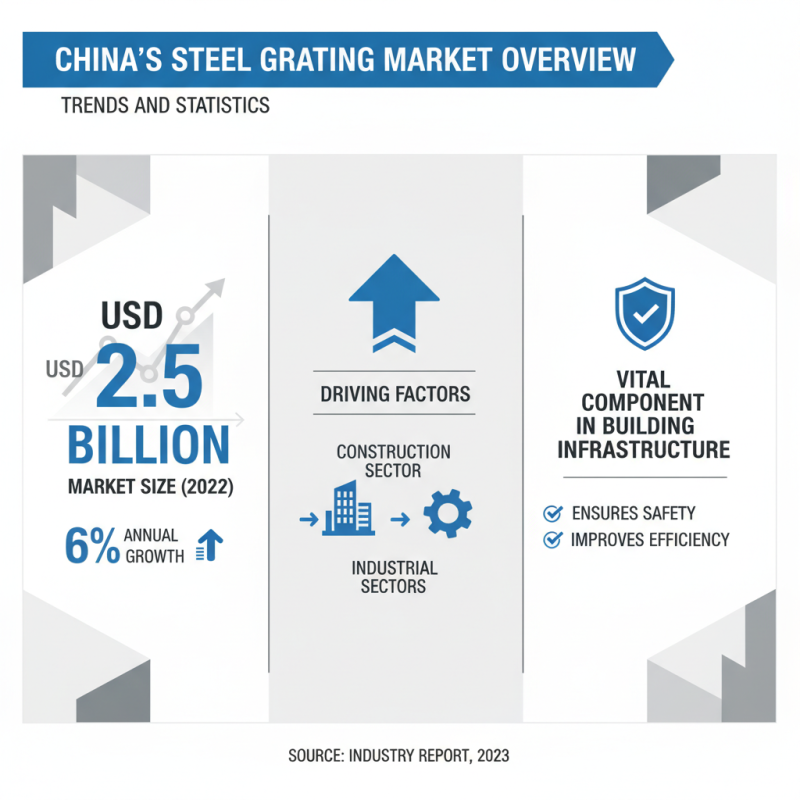
China's steel grating market has shown remarkable growth in recent years. The market size reached approximately USD 2.5 billion in 2022, indicating a steady annual growth of about 6%. This growth is driven by increased demand in construction and industrial sectors. Steel grating serves as a vital component in building infrastructure, ensuring safety and efficiency.
The trends indicate a shift towards more sustainable materials. For instance, about 30% of manufacturers are adopting recycled steel. This approach reduces environmental impact while providing robust products. Yet, challenges remain. Many companies struggle with fluctuating raw material prices, which affects profit margins. Additionally, compliance with international quality standards remains a pressing issue for many producers.
Statistics reveal that North America and Europe are major markets for China’s steel grating. Approximately 40% of export revenues come from these regions. However, competition is intensifying. Local brands are increasingly preferred in Europe due to their strong focus on quality and customer service. Addressing these competitive pressures is vital for the sustainability of China's steel grating industry.
Leading Manufacturers of Composite Steel Grating in China
China stands out as a leading producer of composite steel grating. These products are vital in industrial and commercial applications. They provide excellent load-bearing capabilities while being lightweight. Manufacturers in China focus on quality, innovation, and price competitiveness in the global market.
When choosing composite steel grating, consider the material properties. Understanding the different grades of materials can help. It ensures you select the right type for your project. Pay attention to the grating's anti-slip features. This is crucial for safety in high-traffic areas.
One important aspect is the manufacturer's reputation. Research their experience and customer reviews. Check if they comply with global standards. Reliable manufacturers often share test results and certifications. A study of the market can lead to better choices. Always compare multiple options for the best results.
Applications of Composite Steel Grating in Various Industries
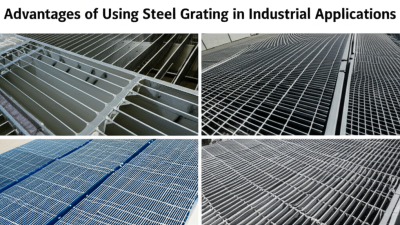
Composite steel grating is becoming increasingly popular across various industries. It is a versatile material known for its strength and durability. In construction, composite steel grating is often used for flooring, walkways, and platforms. Its lightweight nature makes installation easier and quicker. It provides excellent slip resistance, enhancing safety in high-traffic areas.
In the heavy machinery sector, this material supports machines and equipment. It can withstand heavy loads and extreme conditions, making it ideal for factories and outdoor environments. Composite steel grating’s resistance to chemicals and corrosion is a significant benefit for industries like oil and gas. It reduces maintenance costs over time.
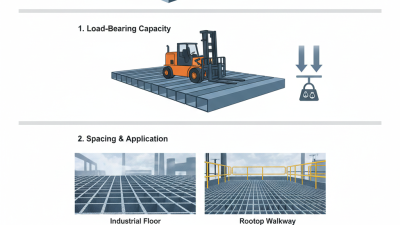
Tips: When selecting composite steel grating, consider the load-bearing capacity. Ensure it meets safety standards for your specific application. Always think about long-term durability during decision-making.
Furthermore, the aesthetic appeal of composite grating should not be overlooked. Its sleek design enhances the visual aspect of installations in commercial settings. However, it is essential to assess whether its appearance aligns with your project’s overall theme. Balancing functionality with design can be challenging but crucial.
China Best Composite Steel Grating for Global Buyers? - Applications of Composite Steel Grating in Various Industries
| Industry |
Application |
Material Type |
Advantages |
Notes |
| Construction |
Walkways and Platforms |
Composite Steel |
High Load Capacity, Corrosion Resistant |
Ideal for industrial environments |
| Manufacturing |
Machine Guarding |
Plastic/Steel Composite |
Improved Safety, Lightweight |
Supports high impact loads |
| Oil & Gas |
Offshore Platforms |
Galvanized Steel |
Resistant to Harsh Environments |
Durability in marine conditions |
| Transportation |
Railway Platforms |
Steel Composite |
Lightweight, High Strength |
Effective drainage and safety |
| Waste Management |
Wastewater Treatment |
Fiberglass Composite |
Chemical Resistance, Lightweight |
Reduces overall structural weight |
Quality Standards and Certifications for Steel Grating Products
In recent years, steel grating has become essential for multiple applications, notably in construction and industrial sectors. Ensuring quality is vital. Certifications like ISO 9001 establish reliability, emphasizing quality management systems. Reports indicate that companies with these certifications see a reduction in defect rates by up to 30%. Quality standards ensure product longevity and safety, reducing risks on job sites.
Professional organizations often set benchmarks, such as ANSI and ASTM standards. These standards are crucial for global buyers seeking assurance. A study from the American Institute of Steel Construction suggests that compliant steel gratings can improve structural integrity significantly. Additionally, understanding load-bearing specifications can help clients make informed decisions.
Despite advancements, issues persist. Variability in manufacturing processes might lead to inconsistencies in durability. Some products may meet standards on paper but fail in practical applications. Ongoing evaluation and improvement are necessary. Industry stakeholders must remain vigilant to ensure that quality remains paramount.
Future Outlook: Growth Projections for China's Steel Grating Exports
China's steel grating exports are projected to see significant growth over the next five years. According to a recent report by Global Steel Grating Insights, the market is expected to increase at a compound annual growth rate (CAGR) of 6.5%. This trend is attributed to rising infrastructure development and enhanced demand in sectors like construction and industrial applications. Furthermore, as countries focus on eco-friendly materials, composite steel grating is gaining traction. The dual properties of strength and lightweight design are attracting global buyers.
Tips: Always consider local import regulations when sourcing steel grating. Understanding the specific needs of your region can lead to better compliance and satisfaction.
In addition to the growth in export volume, manufacturers will need to stay competitive. Innovations in production processes and material usage will be essential. Despite the positive outlook, there are challenges that exporters must address. Fluctuating raw material prices could affect profitability. Adapting to market shifts will require agility. Staying informed about industry trends is vital to maintain relevance in an evolving landscape.
Tips: Regularly benchmark against industry standards. This helps identify areas for improvement and potential growth.
Future Outlook: Growth Projections for China's Steel Grating Exports