How to Calculate I Bar Steel Grating Weight for Your Projects?
Understanding how to calculate I Bar Steel Grating Weight is essential for various construction and engineering projects. Knowing the weight helps in planning and ensures structural integrity. It allows you to select the right materials for your needs. Accurate calculations prevent unexpected difficulties during installation.
When approaching I Bar Steel Grating, consider several factors. These include the dimensions and density of the material. Familiarity with standard formulas for weight calculation can streamline your process. However, miscalculations can lead to issues like overestimation or underestimation. Precision is vital in this process, as even slight errors can be costly.
Many professionals rely on experience, yet they sometimes overlook detailing. Engaging with industry standards and guidelines can enhance your understanding. It's important to reflect on past projects to improve future calculations. Inaccurate weights could affect project timelines and safety parameters. Therefore, a thorough grasp of I Bar Steel Grating Weight is not just beneficial; it is crucial for successful project execution.

Understanding I Bar Steel Grating and Its Applications in Projects
I Bar steel grating is a type of flooring and structural support system. It consists of a series of bars arranged in a parallel format. This design allows for high loads while minimizing weight. It is often used in industrial and commercial applications. Examples include walkways, trenches, and platforms. I Bar grating can resist corrosion, making it suitable for harsh environments.
When selecting I Bar steel grating for a project, one must consider thickness, spacing, and load requirements. Each detail affects strength and durability. Projects in chemical plants or wastewater facilities benefit from this choice. However, the installation process can be tricky. Proper alignment and secure fastening are essential for structural integrity. It is a learning curve for some workers.
Mistakes can happen during calculation and fitting. Overestimating weight can lead to excessive material use. Underestimating strength requirements may cause failures. This ongoing evaluation is essential for achieving reliable results. Choosing the right team can greatly influence project success. The expertise of fabricators and installers matters a lot. Continuous communication helps in overcoming unexpected challenges.
Key Factors That Influence the Weight of I Bar Steel Grating
When calculating the weight of I Bar steel grating, several key factors come into play. The dimensions of the bars significantly impact the overall weight. Wider bars often add more mass, while thicker bars provide additional strength. It’s essential to measure the height and width accurately for precise calculations. Height can be a standout factor; taller bars typically contribute more weight.
Material composition is equally important. The type of steel used affects density and durability. Higher-quality steel might weigh more but can offer better support. Considering the spacing between the bars is crucial too. Closer spacing can increase weight because of more material used per area.
Projects vary in requirements; not every application needs heavy grating. Sometimes lighter options suffice. Reflecting on the project’s purpose helps guide decisions. It’s common to overlook how these factors intertwine. Each choice can lead to impacts on both weight and performance. Balancing weight with strength ensures that the final product meets safety and functionality standards.
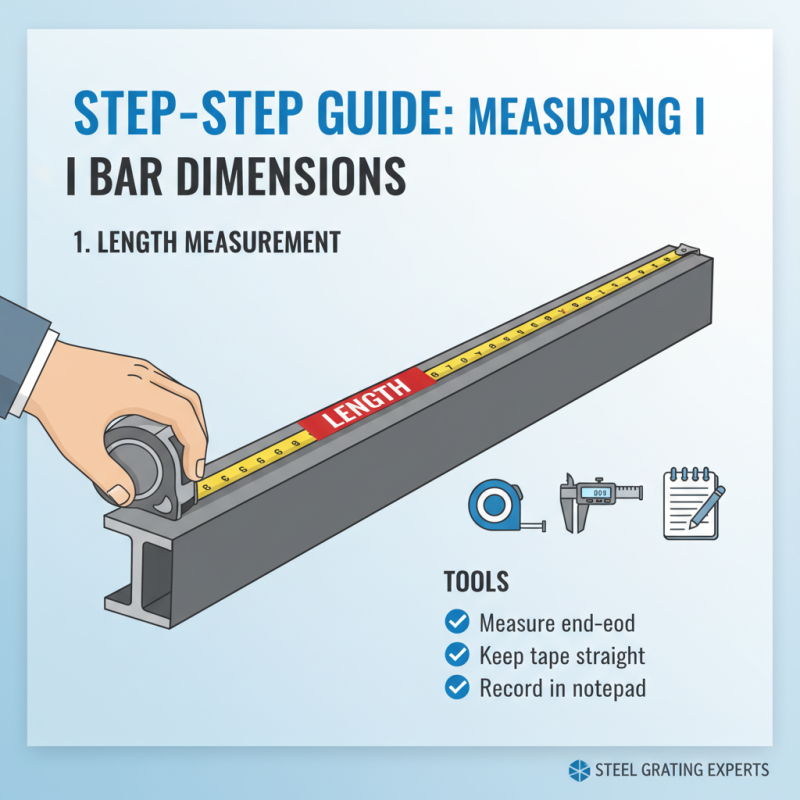
Step-by-Step Guide to Measuring I Bar Dimensions Accurately
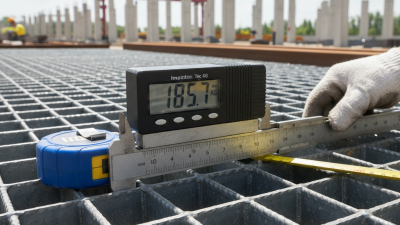
Measuring the dimensions of I bars in steel grating is essential for accurate weight calculations. Begin by gathering your tools: a measuring tape, calipers, and a notepad. Start with the length measurement. This is straightforward; measure from one end of the I bar to the other. Ensure the tape is straight to avoid errors.
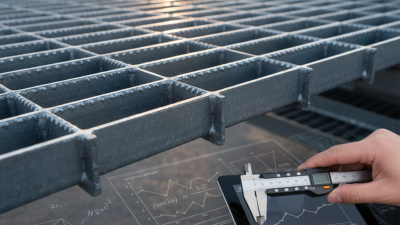
Next, measure the height and width of the I bar. Use calipers for precision, especially for narrower sections. Take note of any irregularities in the bar. Each dimension impacts the final weight calculation, so accuracy is crucial.
After obtaining all dimensions, comparing your findings can help identify any inconsistencies. Did you double-check the measurements? Are they in line with standard specifications? Reflecting on these points can lead to a more reliable assessment. Remember, a small error in measurement can translate into significant discrepancies in weight calculations.
Calculating the Weight per Unit Area of I Bar Steel Grating
Calculating the weight per unit area of I bar steel grating is essential for various projects. To begin, you'll need specific measurements. Measure the dimensions of the I bars and determine the weight of the material itself. Steel density typically stands at around 490 pounds per cubic foot. Understanding this density is crucial for accurate weight calculations.
Next, calculate the area that the grating will cover. Multiply the length and width of the grating. Then, multiply the area by the weight per square foot. This method helps estimate the overall weight. However, be mindful of variations in steel types and dimensions. Even minor differences can affect the total weight.
Mistakes may arise during calculations. It's easy to misjudge dimensions or overlook density variations. Rounding errors can lead to discrepancies in the final figures. Always double-check your numbers. A reliable estimation requires precision and caution. Remember, the weight affects not only structural integrity but also transportation and installation costs.
Utilizing Software Tools for Efficient I Bar Weight Calculations
In modern construction projects, accurately calculating the weight of I bar steel gratings is crucial. Software tools have emerged as indispensable allies in this endeavor. These programs simplify complex calculations and reduce the margin of error. Users can input dimensions and material specifications to generate precise weight estimates.
Employing software for weight calculations enhances efficiency. Traditional methods often involve manual calculations, which can lead to mistakes. Errors in weight estimation can evolve into costly mistakes in purchasing and installation. Software eliminates much of the guesswork, but they require a user to understand input parameters clearly. Sometimes, relying solely on these tools might lead to overconfidence in results.
Despite technology's advantages, users must remain vigilant. Inputs should be regularly reviewed to ensure accuracy. Misunderstandings of software interfaces can produce misleading figures. It’s essential to cross-check calculations when finalizing project details. The integration of technology in weight calculations presents a valuable opportunity, yet diligence is necessary for reliable outcomes.
Weight of I Bar Steel Grating for Different Sizes