How to Calculate I Bar Steel Grating Weight Efficiently?
Calculating the weight of I Bar Steel Grating is vital for construction projects. Accurate weight measurements ensure structural integrity and safety. Engineers and contractors must understand the intricacies of this calculation.
Many factors influence I Bar Steel Grating Weight, such as material type and dimensions. Mistakes in measurement can lead to severe consequences. For instance, overestimating weight might result in unnecessary material costs. Underestimating can compromise structural strength. These calculations often require precision and thoughtful application.
Determining the weight involves mathematical formulas that consider the grating's geometry and density. Commonly, the calculations are straightforward, yet small errors can occur. A simple miscalculation can lead to project delays. Thoroughly understanding I Bar Steel Grating Weight is crucial for optimal resource allocation. Awareness of potential pitfalls in calculation is equally important.

Understanding the Basics of I Bar Steel Grating
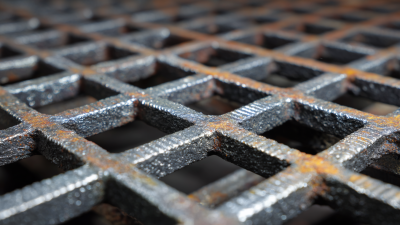
I bar steel grating is a versatile material
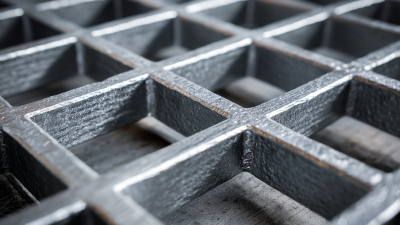
widely used in construction and industrial settings. It consists of parallel I-shaped bars welded together, forming a strong
and durable structure. Understanding the basics of I bar steel grating is crucial for anyone involved in design or
installation processes. The weight of this grating can vary based on its dimensions and materials.
When calculating the weight of I bar steel grating, you must consider its size and thickness. Different configurations
contribute to the overall strength and weight. A common approach to assess the weight is by using specific formulas
that factor in the volume and density of the material. This technique allows for efficient planning and budgeting in projects.
It's important to remember that weight calculations may not always be straightforward. Variations in manufacturing processes
can lead to discrepancies. Additionally, using standard values may sometimes result in a margin of error. Always double-check
your figures and consult with a professional if needed. Keeping these nuances in mind can greatly enhance your understanding
and efficiency in working with I bar steel grating.
Key Factors Influencing I Bar Steel Grating Weight
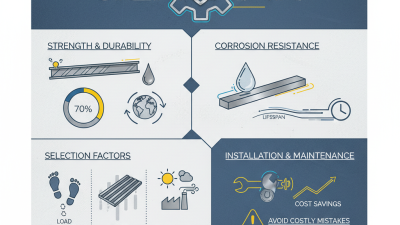
When calculating the weight of I bar steel grating, several key factors come into play. The dimensions of the I bars are crucial; typically, the height and width dictate the overall weight. For instance, a standard I bar measuring 100 mm in height and 50 mm in width weighs roughly 5.4 kg per meter. The thickness of the bars is equally important. Thicker bars contribute significantly more weight.
Materials also affect weight. Steel density averages about 7.85 g/cm³. Using lighter materials could reduce the overall weight, but it may compromise strength. A sourcing report from the Steel Construction Institute emphasizes that material grade influences load-bearing capacity as well. Higher-grade steel may weigh more upfront but offers better durability and longevity.
**Tip:** Always consider your project's specific needs before choosing materials. This could save costs in the long run, even if the initial weight is higher.
Additionally, the spacing of the grating bars can change weight calculations. Closer spacing increases weight but enhances load distribution. Balancing spacing with weight is a delicate decision. For example, 30 mm spacing might be ideal for pedestrian areas while wider spacing might suffice for lighter applications.
**Tip:** Reassess your design choices regularly. A slight adjustment in spacing can lead to insights that optimize both weight and performance.
How to Calculate I Bar Steel Grating Weight Efficiently?
Step-by-Step Guide to Measuring I Bar Steel Grating Dimensions
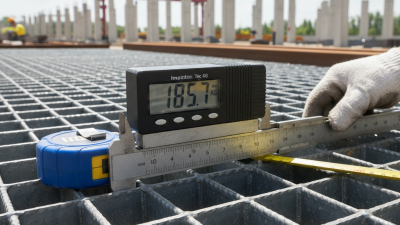
Measuring I Bar steel grating dimensions requires precision. Knowing the exact size helps in calculating the weight accurately. Start by measuring the length and width of the grating. Use a tape measure and note down these values. Ensure the measuring tool is straight and level for accuracy.
Next, check the height of the I Bar. This dimension is crucial but often neglected. A simple caliper can work well for this task. Record your findings. It’s easy to forget small details, yet they can make a significant difference in your calculations. After gathering these dimensions, apply the relevant formulas.
Sometimes, mistakes occur in measurements. This can complicate calculations later. It’s important to double-check everything. Even slight errors can lead to inaccurate results. Maybe remeasure a couple of times. Patience pays off. Ensure you have a clear understanding of your data.
How to Calculate I Bar Steel Grating Weight Efficiently? - Step-by-Step Guide to Measuring I Bar Steel Grating Dimensions
| Dimension Type |
Measurement (mm) |
Weight per Meter (kg) |
Total Weight (kg) |
| Height (H) |
30 |
3.5 |
70 |
| Width (W) |
50 |
4.2 |
84 |
| Length (L) |
2000 |
18.5 |
370 |
| Total Area |
1000 |
- |
- |
| Total Weight |
- |
- |
524 |
Calculating the Weight of I Bar Steel Grating: A Practical Approach
Calculating the weight of I bar steel grating can seem daunting. Yet, with a practical approach, it becomes manageable. Begin by understanding the dimensions of the I bars. You need the width, height, and thickness. The weight is influenced heavily by these specifics. A common mistake is overlooking the density of the steel. Each type of steel has a different density, which affects weight.
Once you have the dimensions, use the formula. It's often stated as: weight = volume × density. Measure the length of your grating. Calculate the volume of a single I bar. This is simply width × height × thickness multiplied by the length.
Next, consider the arrangement of the bars. If they are closely spaced, this impacts the overall weight. It's easy to miscalculate. A final check on your figures can save time later. Ensure you factor in additional elements such as any coatings or surface treatments. They may add weight, even if they seem minor. Precision here is key, though it isn’t always perfect.
Common Mistakes to Avoid When Calculating Grating Weight
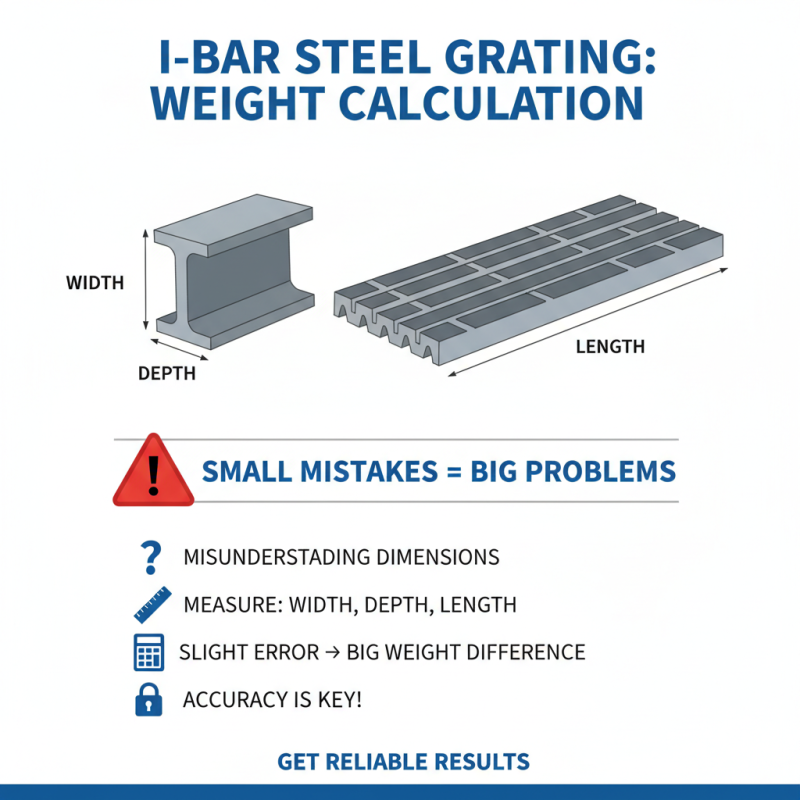
When calculating the weight of I bar steel grating, small mistakes can lead to big problems. Misunderstanding the dimensions is a common error. Always measure the width, depth, and length carefully. A slight miscalculation can significantly affect the final weight. Accuracy is key to getting reliable results.
Another mistake people make is not accounting for the material density. Different steel types have varying densities. Failing to consider this can skew your results. It's crucial to check the specifications before relying on your calculations. Neglecting these details can lead to ordering the wrong amount of material, causing delays.
Lastly, avoid using outdated formulas. Steel grating designs may change over time. Relying on old methods can be inaccurate. Stay updated with current standards. Precision matters when working on steel grating projects. Review your methods regularly to ensure you’re on the right track.