How to Calculate Black Steel Grating Weight for Projects?
Calculating the weight of black steel grating is essential for many construction projects. John Smith, a structural engineer with over 15 years of experience, emphasizes, "Understanding Black Steel Grating Weight is crucial for accurate project planning."
Accurate weight calculations can influence the structural integrity of any project. Knowing the weight helps determine load capacity and material costs. A miscalculation can lead to project delays and increased expenses. Oftentimes, engineers must rethink their approaches when initial weight assumptions are incorrect.
Black steel grating comes in various sizes and thicknesses, affecting the overall weight. Individual projects may require different specifications. It’s vital to gather precise measurements and material properties. Overall, grappling with these details ensures better outcomes, but it also invites constant revisions and assessments to improve accuracy and efficiency.
Understanding Black Steel Grating: Overview and Applications
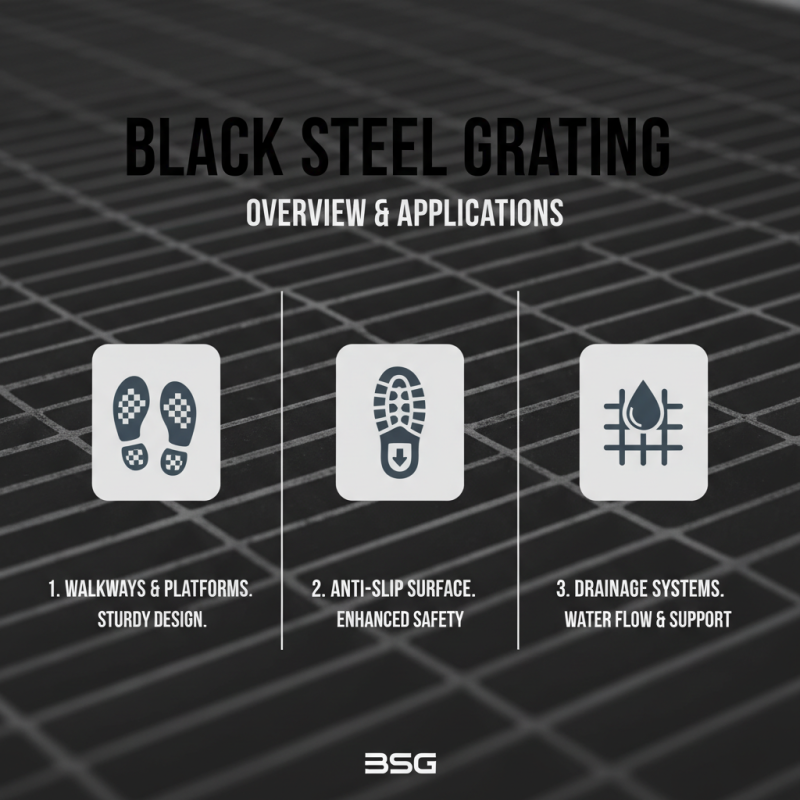
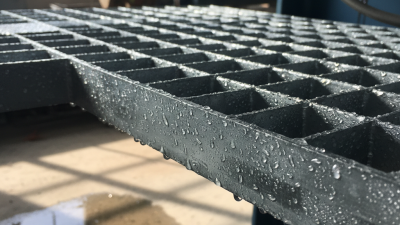
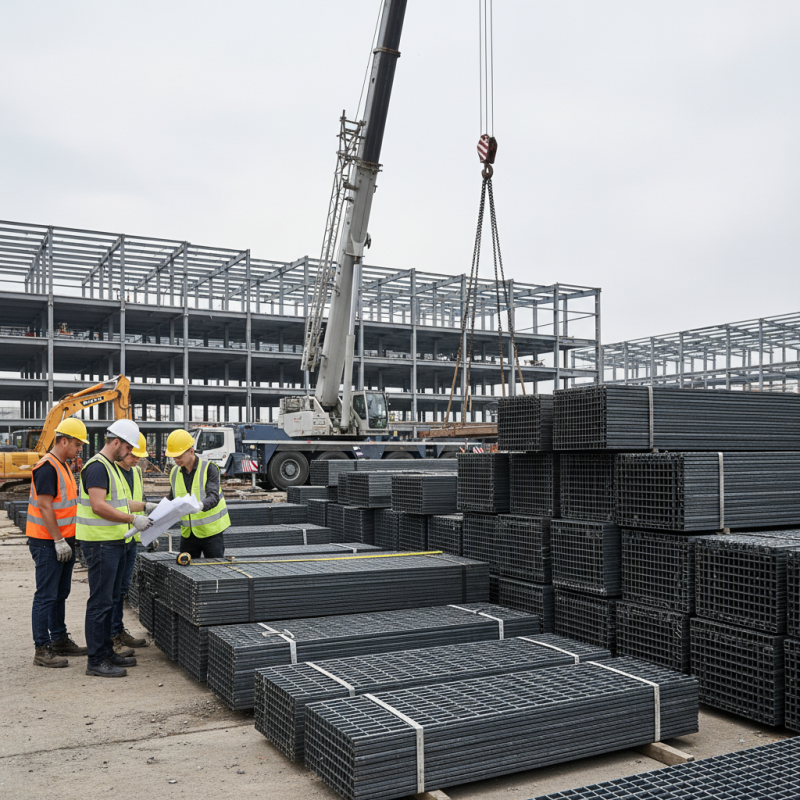
Black steel grating is a versatile material widely used in various construction projects. Its sturdy design makes it ideal for walkways, platforms, and industrial applications. The anti-slip surface enhances safety, especially in high-traffic areas. Additionally, black steel grating is often utilized in drainage systems, allowing water to flow through while providing structural support.
One important aspect of black steel grating is understanding its weight. The weight can vary significantly depending on the thickness, type of bars, and spacing used. In some projects, the weight factor influences structural integrity. Choosing the right grating involves careful calculation to ensure safety and reliability.
Although black steel grating is durable, it requires regular maintenance. Rust and corrosion can impact its lifespan, especially in harsh environments. Evaluating environmental conditions will help determine the best protective measures. Regular inspections can identify potential issues early. Keeping track of wear and tear ensures the grating remains effective for its intended uses.
Key Factors Influencing Black Steel Grating Weight Calculation
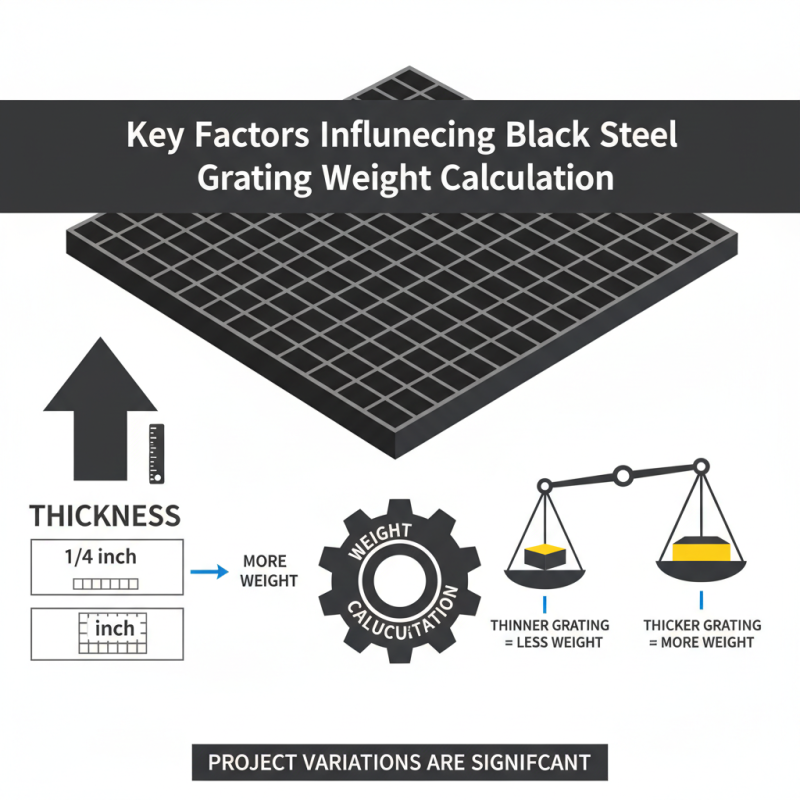
When calculating black steel grating weight, several key factors play a critical role. The thickness of the grating directly influences its overall weight. Typically, thicker material will weigh more. A standard black steel grating might have a thickness ranging from 1/4 inch to 1 inch. Each variation can result in significant weight differences for projects.
Another important factor is the type of steel used. Black steel is often chosen for its durability and low cost. However, variations in material density can alter the weight calculations. For example, the average density of black steel is approximately 490 pounds per cubic foot. Understanding these variables helps ensure accurate estimations for project requirements.
Tip: Always account for the load requirements of your project. Overestimating can lead to excessive costs. Underestimating can compromise safety. It’s vital to gather precise measurements and consider environmental factors as well.
Additionally, the spacing between the bars in the grating affects weight. Closer spacing will generally result in more material usage and therefore increased weight. It’s helpful to think about how these dimensions will meet both aesthetic and functional needs. Focusing on such details can improve project outcomes and lessen unforeseen challenges.
Step-by-Step Guide to Calculating Dimensions of Steel Grating
Calculating the dimensions of black steel grating is crucial for ensuring the correct weight and load-bearing capacity. Accurate measurements start with understanding the size of the grating panels. Typically, they come in various widths and lengths, often ranging from 24 inches to over 48 inches. Each panel's thickness, usually around 1 inch or more, plays a significant role in the overall weight.
To proceed with calculations, one must consider the density of steel, which averages 490 pounds per cubic foot. This value is essential when you multiply the volume of the grating by the density to find the weight. For example, a panel measuring 2 feet by 3 feet and 1 inch thick will have a volume of 0.5 cubic feet. Multiplying it by the density indicates that this panel weighs approximately 245 pounds.
Project managers must also reflect on how the weight potentially impacts the structure. Heavy grating may require stronger supporting beams. Regular adjustments in calculations can save time and resources later. Simulating different configurations may reveal insights about balance and durability. In industry reports, over 70% of failures are linked to miscalculations in weight support. Thus, precision in these early stages is critical for project success.
Formula for Calculating Weight of Black Steel Grating
Calculating the weight of black steel grating is essential for various construction projects. Knowing how to calculate it can save time and resources. The formula to determine the weight involves considering the dimensions of the grating, the material density, and any additional factors like load capacity.
To calculate weight, first measure the length and width of the grating. Then, find its thickness. A common formula is: Weight (lbs) = Length (inches) x Width (inches) x Thickness (inches) x Density (lbs per cubic inch). This gives a clear estimate of how much weight you will be working with. Remember that different grating designs may have variations in density.
Tips: Always verify your measurements before calculating. For larger projects, consider using software tools for accuracy. Double-check your results, as small errors can lead to significant discrepancies in weight estimates. Precision is crucial, especially when dealing with heavy loads.
How to Calculate Black Steel Grating Weight for Projects?
| Grating Type |
Dimensions (mm) |
Weight (kg/m²) |
Total Weight (kg) |
| Standard Grating |
1000 x 500 |
60 |
30 |
| Heavy Duty Grating |
1200 x 600 |
80 |
57.6 |
| Light Duty Grating |
900 x 300 |
55 |
14.85 |
| Fiberglass Grating |
1000 x 1000 |
45 |
45 |
Practical Tips for Accurate Weight Measurement in Projects
When it comes to measuring the weight of black steel grating, precision is key. Start with accurate measurements of dimensions. Use a reliable scale to weigh your sample. If the size varies, take several samples and calculate the average weight. This method can eliminate inconsistency from the results. Sometimes, discrepancies occur due to material variations. Ensure you measure in a controlled environment to minimize errors.
Another important tip is to consider the density of the steel used in the grating. Standard density for black steel is around 490 pounds per cubic foot. Use this figure to calculate the weight based on the volume of your grating. Additionally, check for any surface coatings that may add weight. Minor adjustments in the calculations can lead to significant differences in your final results.
Finally, always document your findings. This practice helps in identifying patterns or recurring issues in your measurements. If you notice significant deviations, reflect on your methods. Were your tools calibrated? Did you account for all variables? Taking these steps ensures a reliable approach to calculating weight in your projects.