2026 Best Plain Steel Grating Options for Global Buyers?
As the construction industry evolves, the demand for high-quality materials continues to rise. Among these materials, Plain Steel Grating stands out for its versatility and adaptability. This type of grating is utilized in various sectors, including construction, manufacturing, and maintenance. Its straightforward design allows for effective drainage and air circulation, making it a reliable choice in numerous applications.
Selecting the best Plain Steel Grating options can be challenging for global buyers. Understanding the specific needs of a project is crucial. Factors such as load-bearing capacity, corrosion resistance, and installation methods play significant roles in the choice of the right product. International buyers must navigate an overwhelming variety of choices while ensuring they receive value for their investment.
This article aims to highlight the best Plain Steel Grating options available in 2026. It will draw on expert insights and real-world examples, providing reliable information for decision-making. Unfortunately, many buyers overlook critical details in their selection process. Therefore, this guide will help identify the most suitable options, ensuring efficiency and performance for any project.
Types of Plain Steel Grating Available for Global Markets
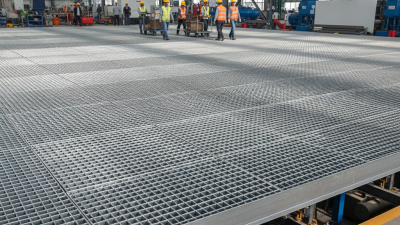
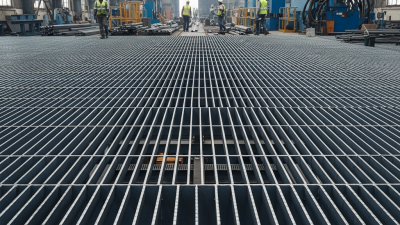
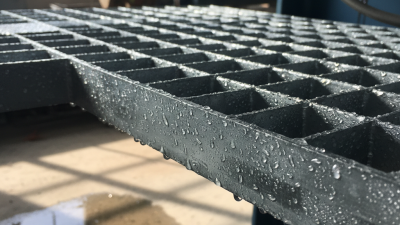
Plain steel grating is a versatile choice for various applications worldwide. It comes in several types, each serving different needs. One common type is the welded steel grating. This option provides strength and durability, making it ideal for heavy foot traffic areas.
Another type is the press-locked grating, which offers a tight and secure fit. It is often used in industrial settings where safety is essential.
Different markets may require specific features in steel grating. Countries with harsh weather conditions may benefit from corrosion-resistant coatings. Additionally, some regions might prioritize lightweight options for easier installation. The sizing of the grating is also crucial. Custom dimensions are often requested to fit unique spaces. Understanding these preferences is vital for suppliers.
Investing in plain steel grating can raise questions. Are you selecting the right type for your project? What load capacities are necessary? These considerations are not always straightforward. It's important to review specifications carefully. Plain steel grating needs proper maintenance to ensure longevity and performance. This fact often gets overlooked, leading to unexpected issues.
Key Factors to Consider When Choosing Plain Steel Grating
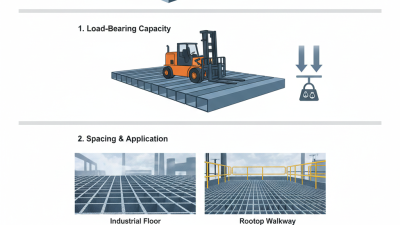
When selecting plain steel grating, several key factors must be considered carefully. The first element is load-bearing capacity. This depends on the grating's thickness and the spacing between the bars. Gratings designed to support heavy equipment require stronger materials and designs. Evaluating the specific weight requirements of your application ensures safety and effectiveness.
Another important aspect is corrosion resistance. Plain steel can rust if not treated or coated properly. Buyers should consider whether they need galvanized grating or perhaps a more robust option. This can greatly affect longevity. Environmental conditions play a significant role here. Marine or industrial environments often demand better resistance to corrosion.
Aesthetic appeal may also influence the decision. While functionality is crucial, how the grating looks can matter in visible locations. Some buyers might prefer a sleek design that integrates well with the surrounding environment. It's helpful to reflect on both function and appearance when making a choice. Each decision carries its weight in the long run. These reflections will guide buyers towards the right plain steel grating for their specific needs.
Top Manufacturers of Plain Steel Grating in 2026
In 2026, the market for plain steel grating continues to expand. Various manufacturers are stepping up their game to meet growing global demands. Industry experts suggest that innovation in production techniques has led to improvements in the durability and performance of these products.
Top manufacturers focus on quality and consistency. Many invest in advanced technologies to enhance the manufacturing process. However, not all companies achieve the same standards. Some may overlook essential aspects like material sourcing and quality control. This inconsistency can lead buyers to question the reliability of certain suppliers.
Buyers should consider manufacturers with a proven track record of excellence. Knowledgeable industry insiders recommend evaluating certifications and customer feedback. Despite the advancements, challenges remain. Companies must adapt to fluctuating material costs and environmental laws. Transparency in these areas is crucial for building trust.
Applications and Industries Utilizing Plain Steel Grating
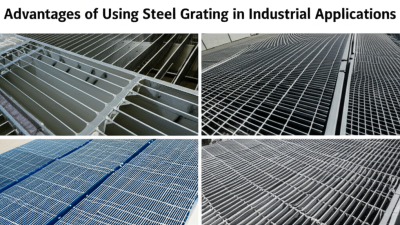
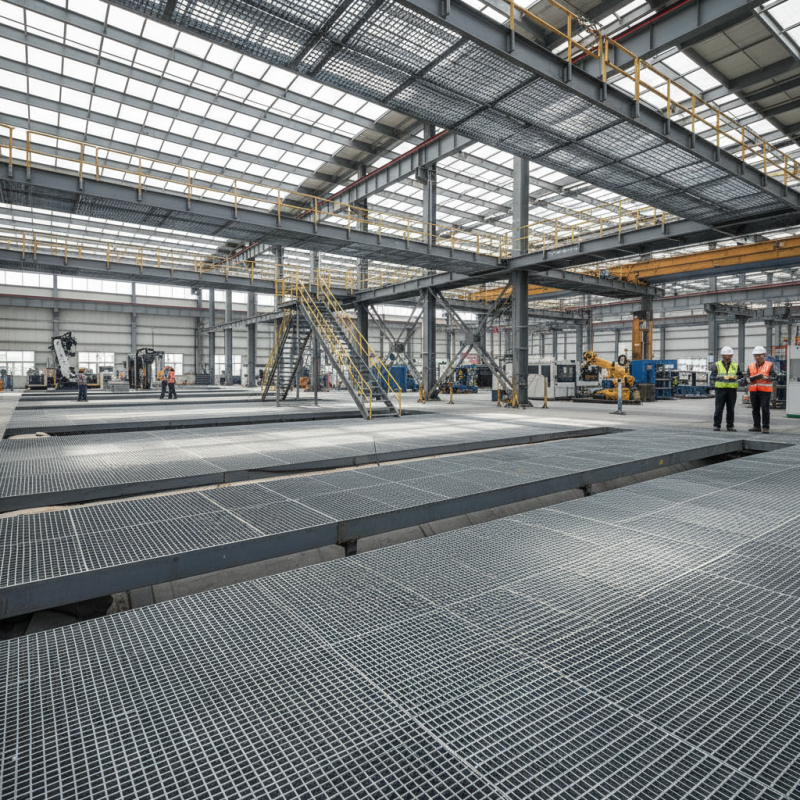
Plain steel grating finds extensive applications across various industries. It's utilized in manufacturing facilities, oil and gas sectors, and even in construction projects. According to industry data, the global demand for steel grating is predicted to grow at a CAGR of 5.5% from 2021 to 2026. This highlights the increasing reliance on durable materials in infrastructure.
In the oil and gas industry, plain steel grating offers crucial safety and functionality. It provides excellent load distribution for foot traffic and equipment. In addition, it allows for easy drainage, reducing the risk of slips and falls. Reports from construction insights indicate that incorporating stainless steel grating can enhance the longevity of installations, especially in corrosive environments.
Manufacturers often face challenges in meeting specific project requirements. For instance, variations in spacing and thickness may compromise the overall safety and load-bearing capacity. This necessitates a thorough approach to choosing the right specifications for each application. Overall, recognizing these details can significantly impact the performance and reliability of plain steel grating in various sectors.
2026 Best Plain Steel Grating Options: Applications and Industries
Cost Comparison of Plain Steel Grating Options Worldwide
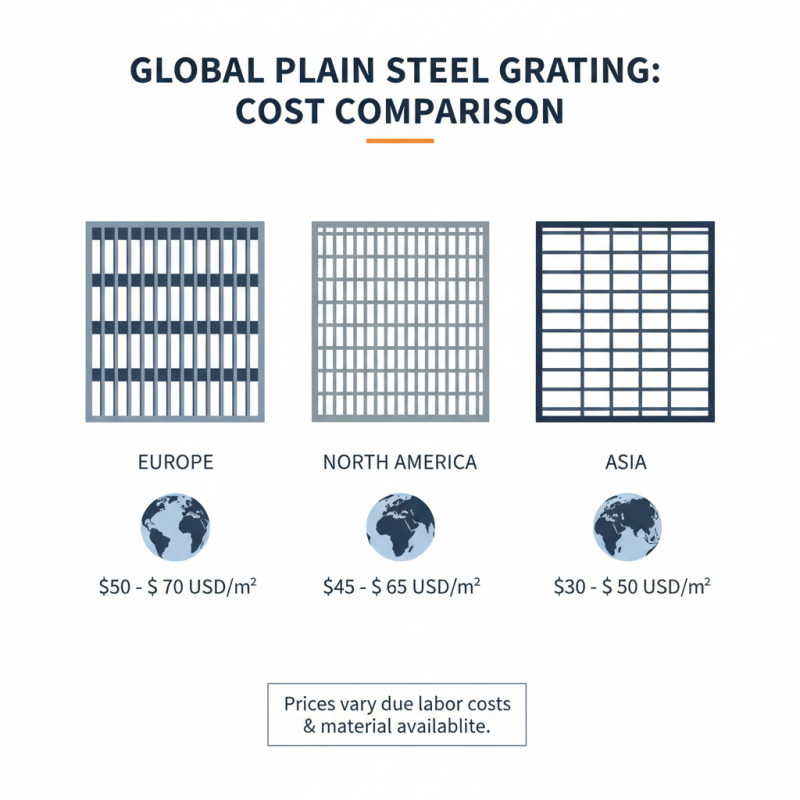
When evaluating plain steel grating options globally, cost is a prime consideration. A recent industry report highlighted that prices can vary significantly based on region and material quality. In Europe, the average cost for plain steel grating hovers around $50 to $70 per square meter. Meanwhile, in North America, it can range from $45 to $65. Asian markets often list prices as low as $30 to $50, emphasizing lower labor costs and material availability.
Diverse factors influence these price discrepancies, including manufacturing processes and material sourcing. For instance, economies with strong steel production capabilities tend to offer lower prices. However, the quality and durability can sometimes suffer, as shown by a survey indicating that 20% of low-cost gratings failed under pressure tests sooner than expected.
Global buyers must also weigh additional costs, such as shipping and installation. Reported shipping fees can add up to 20% of the product's cost. Installation complexity varies widely, and some buyers may underestimate this aspect. It’s vital to account for these potential oversights, as they can lead to increased project expenses.