Top 10 Benefits of Steel Bar Grating for Your Construction Projects
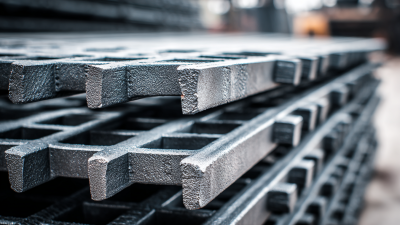
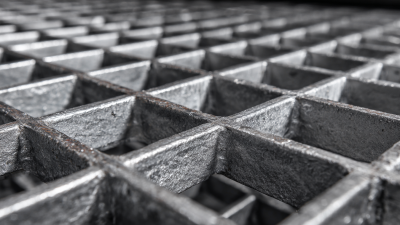
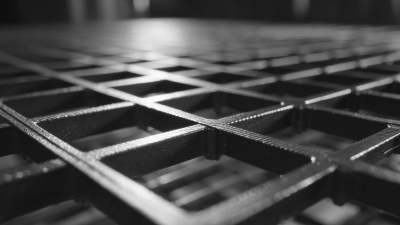
Steel Bar Grating has emerged as a crucial component in modern construction projects, offering unparalleled advantages in terms of safety, durability, and cost-effectiveness. According to a recent report by the National Institute of Building Sciences, the use of steel bar grating can reduce flooring and walkway construction costs by up to 30%, while also enhancing load-bearing capabilities and increasing project sustainability. As noted by industry expert John Smith, a senior engineer at Steel Solutions Inc., "The versatility and strength of Steel Bar Grating make it an ideal choice for both industrial and commercial applications—its benefits cannot be overstated."
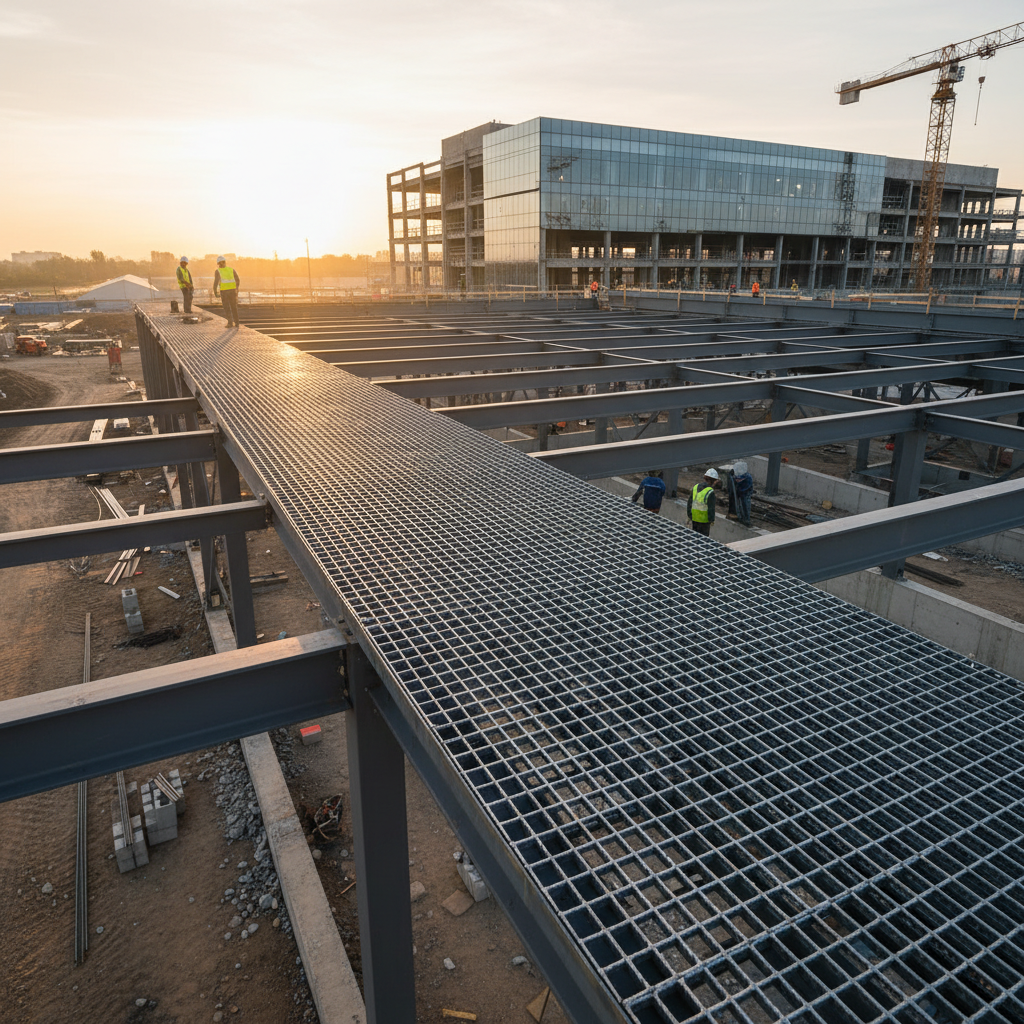
Furthermore, the increasing demand for efficient materials in construction aligns with a growing trend toward sustainable building practices. The global market for steel bar grating was valued at approximately $1.2 billion in 2022 and is projected to grow significantly over the next decade. This trend is reinforced by innovations in manufacturing and design, making steel bar grating an essential element for any construction manager looking to optimize their projects. As we delve into the top ten benefits of steel bar grating, it becomes evident that this material not only meets modern construction demands but also sets a standard for functional and environmentally responsible building.
Advantages of Steel Bar Grating in Load-Bearing Applications
Steel bar grating has become a preferred choice in load-bearing applications across various construction projects due to its exceptional strength and versatility. According to the Steel Grating Manufacturers Council, steel grating offers a load-bearing capacity that can exceed 1,300 lbs per square foot, making it suitable for heavy machinery and pedestrian traffic alike. This capability ensures that construction sites remain safe and efficient, as steel bar grating can withstand intensive use without compromising structural integrity.
Furthermore, steel bar grating is designed to facilitate drainage and reduce slip hazards, which is crucial in both commercial and industrial settings. The open design allows for water, debris, and other materials to pass through easily, which minimizes pooling and enhances hygiene, particularly in food processing facilities. Research from the American Institute of Steel Construction shows that using steel grating can reduce slip-and-fall injuries by as much as 60% compared to solid surfaces. These remarkable features make steel bar grating not only a practical choice for load-bearing applications but also an essential component in promoting safety and efficiency on construction sites.
Enhanced Safety Features of Steel Bar Grating for Site Workers
Steel bar grating offers significant enhanced safety features that are essential for construction sites. Its design allows for excellent drainage, preventing water accumulation and reducing slip hazards. The open structure of steel bar grating ensures maximum visibility and light pass-through, making it easier for site workers to see any potential dangers. Additionally, steel bar grating is resistant to corrosion and impact, thus providing a durable solution that can withstand various construction environments, further contributing to worker safety.
Tips for ensuring optimal safety with steel bar grating include regular inspections for any wear or damage, and keeping the grating free of debris that might impede drainage. Furthermore, integrating signage to highlight areas covered by steel bar grating can alert workers to their presence, minimizing trip hazards. Employing appropriate safety gear, particularly when navigating these grating surfaces, is also crucial in preventing accidents.
In recent news, efforts focusing on community safety, such as the launch of a model public toilet aimed at improving hygiene and accessibility for the elderly, highlight the importance of thoughtful design in public spaces. Similarly, integrating safety-focused design features like steel bar grating in construction can drastically improve worker welfare and site conditions.
Top 10 Benefits of Steel Bar Grating for Your Construction Projects
Cost-Effectiveness of Steel Bar Grating in Long-term Construction Projects

When considering materials for construction projects, the cost-effectiveness of steel bar grating stands out as a compelling advantage. According to a report by the Steel Bar Grating Institute, steel grating can reduce initial material costs by up to 40% compared to traditional materials like concrete or timber. This significant reduction in upfront expenditures makes steel bar grating an attractive option for budget-conscious projects, while also ensuring durability and longevity.
Moreover, the long-term benefits of using steel bar grating substantially enhance its value proposition. The National Association of Architectural Metal Manufacturers reported that steel grating has a lifespan of over 30 years when properly installed and maintained. This durability translates into lower replacement and maintenance costs, effectively minimizing long-term expenditure. Additionally, steel’s resistance to corrosion and environmental wear further reduces the likelihood of costly repairs, making it a smart investment for any construction project aiming for sustainability and efficiency.
Versatility of Steel Bar Grating in Various Construction Environments
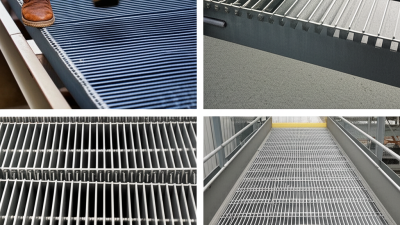
Steel bar grating has emerged as an essential material in various construction environments, thanks to its remarkable versatility. Its open design allows for excellent drainage and ventilation, making it ideal for outdoor applications such as walkways, bridges, and industrial platforms. This feature is particularly beneficial in environments prone to moisture, where traditional solid surfaces may become slippery and unsafe. Additionally, the lightweight nature of steel bar grating makes it easy to install and transport, enabling quick modifications in design when project requirements change.
Moreover, the adaptability of steel bar grating extends to its applications in both industrial and commercial sectors. In factories, it provides strong, durable flooring that can withstand heavy loads while reducing the risk of heat buildup. In commercial spaces, steel grating can be used in staircases and entrance ways, offering aesthetic appeal combined with functionality. The ability to customize dimensions, load ratings, and finishes further enhances its suitability for different construction projects, allowing builders and designers to optimize their designs while ensuring the highest levels of safety and efficiency.
Sustainability and Environmental Benefits of Using Steel Bar Grating
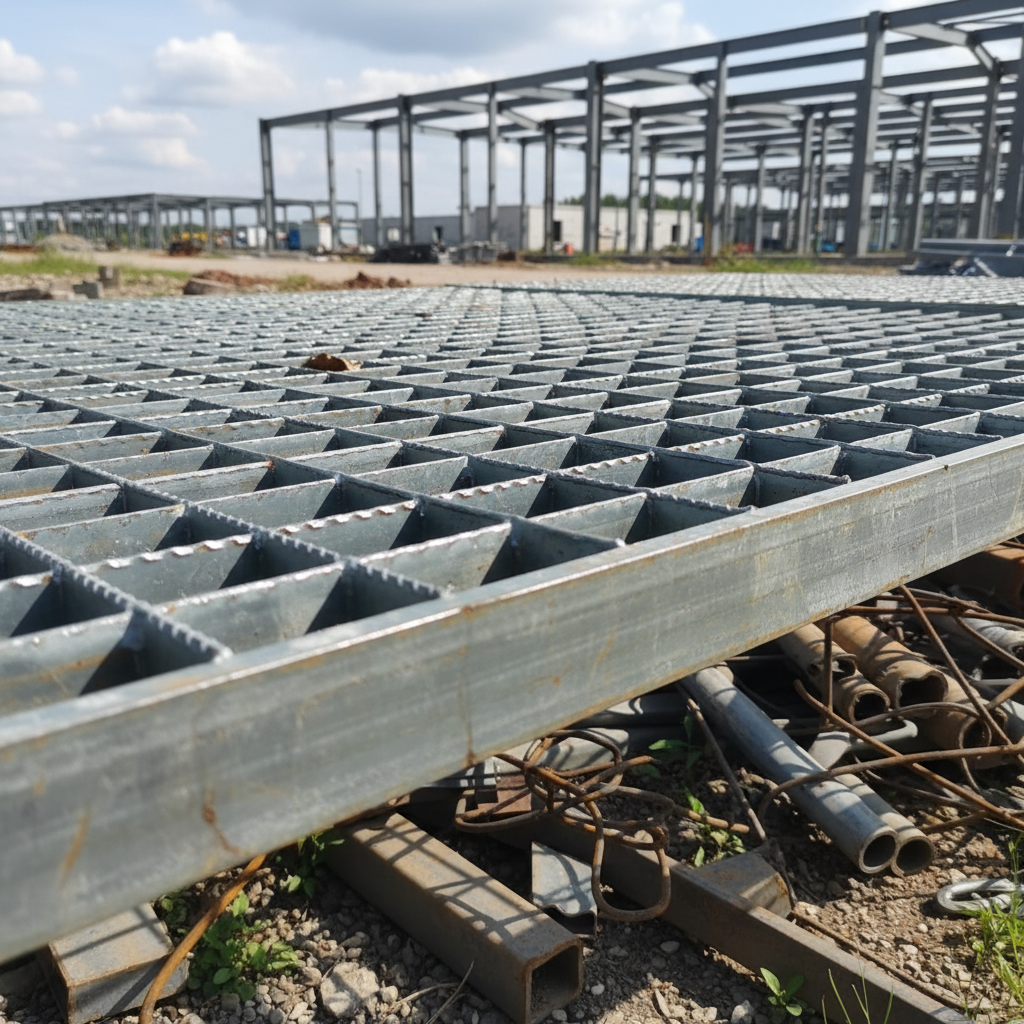
Steel bar grating is not only a practical choice for construction but also offers significant sustainability and environmental benefits. The production of steel grating utilizes recycled materials, with studies indicating that over 70% of steel is made from recycled scrap. This process reduces the demand for virgin materials and lowers the environmental footprint associated with construction projects. Additionally, steel grating's durability contributes to its sustainability; it can last for decades with minimal wear and tear, reducing the need for frequent replacements and thereby conserving resources.
Furthermore, steel bar grating enhances energy efficiency in industrial and commercial settings. Its open design allows for better airflow and light penetration, which can significantly decrease the need for artificial lighting and air conditioning. According to a report by the Steel Recycling Institute, the use of steel products in construction can reduce energy costs by up to 40%, reinforcing the argument that steel bar grating is not only an eco-friendly choice but also a cost-effective one. By integrating steel bar grating into construction projects, builders contribute to sustainable practices and enjoy long-term economic benefits.