Top 5 Benefits of Press Welded Steel Grating for Global Buyers?
In the competitive landscape of construction and industrial applications, Press Welded Steel Grating stands out as a durable and efficient solution. According to a recent report by the Global Steel Grating Market, the demand for this product is expected to grow by over 5% annually in the next five years. Experts like Dr. Emily Parker, a respected figure in materials engineering, emphasize, "Press Welded Steel Grating provides unparalleled strength and safety in demanding environments."
Manufacturers value this type of grating for its unique construction method. It utilizes high-quality steel and precision welding techniques. These methods enhance reliability and reduce maintenance costs over time. Furthermore, Press Welded Steel Grating is typically more resistant to environmental hazards, making it suitable for various applications from walkways to heavy machinery platforms.
Despite these benefits, some users overlook the importance of choosing the right specifications. A misunderstanding of load capacities is not uncommon, leading to potential safety concerns. It’s crucial for buyers to consider their specific needs fully. By understanding the exceptional attributes of Press Welded Steel Grating, businesses can make informed decisions. This could ultimately enhance both safety and operational efficiency in their projects.
Understanding Press Welded Steel Grating: An Overview
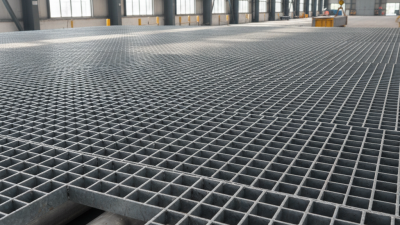
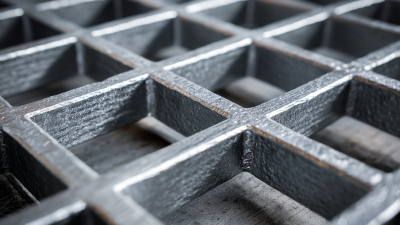
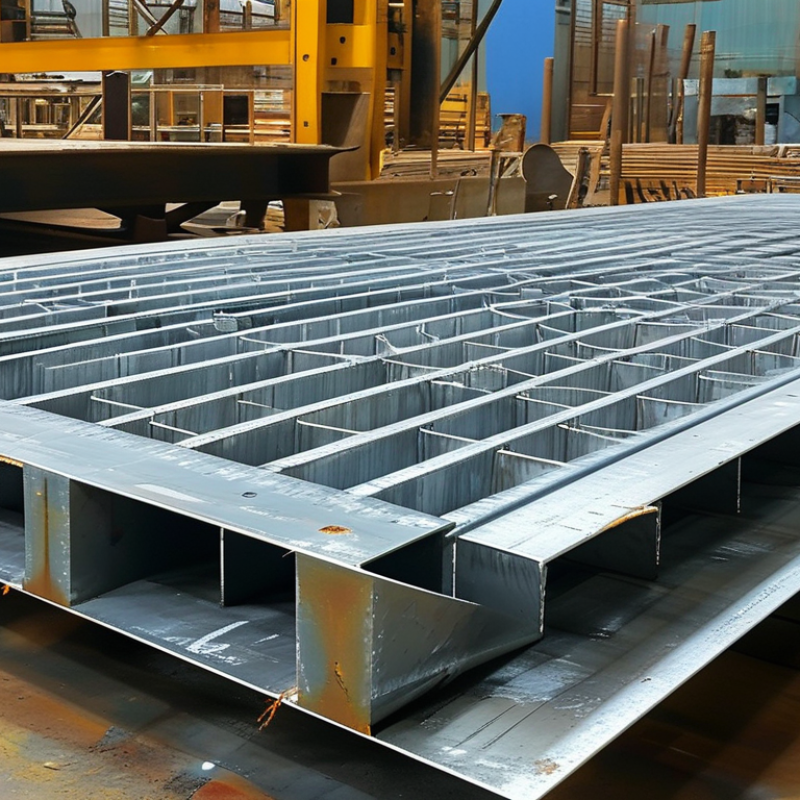
Press welded steel grating is a popular choice in various industries. It features welded cross bars and is known for its high strength. This type of grating provides excellent load-bearing capabilities, supporting heavy equipment and foot traffic. According to the Steel Grating Industry Report 2023, its demand has increased by 15% in the last five years due to its durability and low maintenance requirements.
One significant advantage of press welded steel grating is its safety features. The tight spacing between bars reduces the risk of slips and falls. Many industries, such as construction and manufacturing, favor this product for workplace safety. A study by the American National Standards Institute shows that using steel grating can decrease workplace injuries by up to 30%.
While press welded steel grating has many benefits, it’s essential to acknowledge potential drawbacks. Installation can be complex, requiring skilled labor. Additionally, improper maintenance may lead to rust and corrosion over time. Buyers should weigh these factors carefully when considering this grating type for their projects.
Top 5 Benefits of Press Welded Steel Grating for Global Buyers
| Benefit |
Description |
Applications |
| High Load-Bearing Capacity |
Designed to support heavy loads, making it ideal for industrial applications. |
Factories, warehouses, and loading docks. |
| Corrosion Resistance |
Resistant to rust and corrosion, extending the lifespan of the grating. |
Marine environments, chemical plants, and outdoor applications. |
| Customizable Design |
Can be fabricated to meet specific architectural and functional requirements. |
Custom constructions, walkways, and decorative designs. |
| Ease of Installation |
Simplified installation process reduces labor costs and time. |
Construction sites, maintenance areas, and renovation projects. |
| Safety Features |
Designed with slip resistance and superior drainage, enhancing safety. |
Public walkways, staircases, and platforms in hazardous areas. |
Durability and Strength: Key Advantages for Global Buyers
Press welded steel grating is known for its impressive durability and strength. This type of grating is manufactured using a unique welding process that fuses steel components together. As a result, the product provides exceptional structural integrity. It can withstand heavy loads and resist deformation in demanding environments. For industrial applications, this reliability is crucial for safety and operational efficiency.
In addition to load-bearing capabilities, the material is highly resistant to corrosion. Many industries face harsh conditions, including exposure to chemicals or moisture. Press welded steel grating can endure these challenges. It minimizes the risk of deterioration over time, ultimately leading to lower maintenance costs. Its long lifespan is an attractive feature for buyers looking to make a smart investment.
However, while the benefits are clear, the initial cost can be a factor to consider. Buyers must evaluate whether the upfront investment aligns with their budget and long-term needs. Evaluating the overall lifecycle cost will help in making informed decisions. While it is a robust choice, understanding the specific project requirements is essential to maximize its advantages.
Cost-Effectiveness: Economic Benefits of Press Welded Steel Grating
Press welded steel grating offers substantial economic benefits for global buyers. This material is renowned for its durability and strength, which translates into lower maintenance costs. Unlike other materials, press welded steel grating can withstand harsh environments. This durability reduces the frequency of replacements, saving money over time.
Moreover, the manufacturing process of press welded steel grating is efficient. It involves fewer materials and allows for mass production. This reduces labor costs and overall expenditure. Buyers can expect a return on investment that surpasses initial pricing. In many cases, the upfront cost is offset by decreased long-term expenses.
However, it is crucial to assess specific needs. Not every project requires press welded steel grating. Sometimes, alternative materials may offer a better fit. Understanding the unique context of each application is essential before making a decision. This thoughtful analysis can lead to better economic choices in the long run.
Versatility in Applications: Industries That Benefit from Steel Grating
Steel grating has become a cornerstone in various industries. Its ability to support heavy loads and provide safety is unmatched. Many sectors, such as construction, agriculture, and water treatment, utilize this material effectively. For instance, in construction, steel grating serves as flooring and walkways. This optimizes the workplace by improving visibility and safety standards.
Manufacturing and petrochemical industries also benefit significantly from steel grating. These sectors demand materials that resist harsh conditions. Steel grating fits this need perfectly, offering durability and resilience. It’s often used in chemical plants to provide stable platforms for workers. In agriculture, it’s employed in pig barns and livestock facilities, enhancing maintenance and hygiene.
However, it’s crucial to consider environmental factors. Over time, steel can corrode if not properly maintained. Regular inspections and timely replacements are necessary. Moreover, buyers should weigh the benefits against initial costs. Understanding these aspects is vital for making informed decisions. Each industry presents unique challenges and opportunities, emphasizing the need for thoughtful application.
Improved Safety Features: Enhancing Workplace and Public Area Security
In today's world, safety is paramount. Press welded steel grating significantly enhances safety in workplaces and public areas. Its robust design allows for greater load-bearing capacity. This structure minimizes the risk of slips and falls, a leading cause of workplace injuries. Workers and visitors alike benefit from a secure environment where they can move freely without concerns about footing.
Additionally, precision-welded joints ensure minimal gaps, which reduces the chance of objects slipping through. The grating's open design permits water and debris to flow through, decreasing the likelihood of pooling. With proper installation, users can expect stability underfoot even in wet conditions. Maintenance routines also become easier, which further contributes to overall safety.
While steel grating is highly effective, factors like installation quality and maintenance practices cannot be overlooked. A poorly installed grating system can still pose risks. Regular inspections are essential to ensure that the grating remains intact and secure. Enhancements in safety features are only as good as their implementation and upkeep. Investing in high-quality materials and professional installation fosters a culture of safety that everyone can appreciate.