Top 10 Benefits of Composite Steel Grating for Your Projects
Composite Steel Grating is becoming increasingly important in various industries. This versatile material is used in construction and infrastructure due to its durability and strength. A recent market report highlights that the global composite grating market is projected to grow at a CAGR of 5.2% through 2026. This growth underlines a rising demand for reliable and lightweight alternatives to traditional grating.
Industry expert Dr. Emily Hart, a materials engineer, states, "Composite Steel Grating combines strength with efficiency, making it an ideal choice for modern projects." Her insights confirm that the unique properties of Composite Steel Grating provide not only safety but also long-term cost savings. Its resistance to corrosion and lightweight design enhance its appeal for many applications.
Despite its advantages, some professionals voice concerns about material selection. Careful evaluation of specifications is necessary to avoid potential failures. It is crucial to weigh sustainability against performance. The ongoing development and refinement in Composite Steel Grating technology promise to address these challenges and improve future applications.
Understanding Composite Steel Grating: An Overview of Its Composition
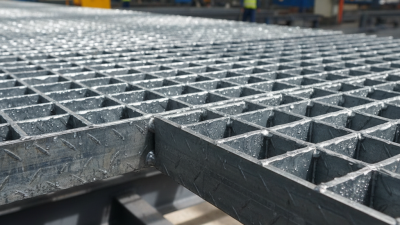
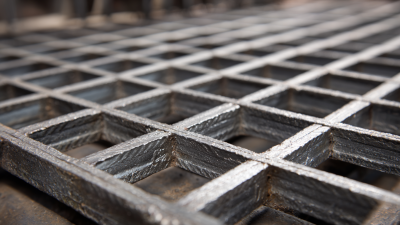
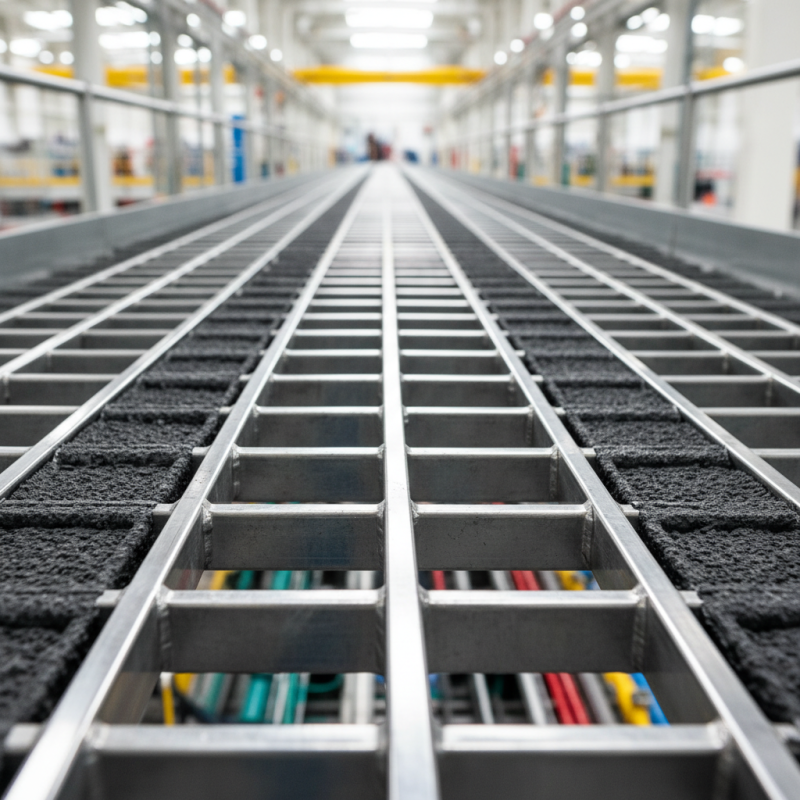
Composite steel grating is a robust material widely used in various construction projects. Its unique composition combines steel and plastic, creating a product that is both strong and lightweight. This combination allows for better resistance to corrosion and wear, making it an attractive option for industrial environments. The materials used contribute to its durability, ensuring longevity even in challenging conditions.
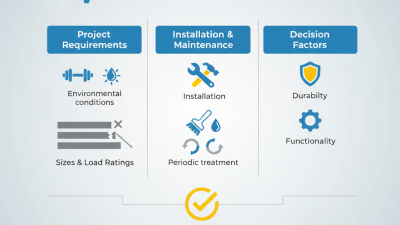
When choosing composite steel grating, consider the load-bearing capacity. Some projects require grating that can handle heavy loads. If you're unsure, consult with a specialist. Ensuring the right specifications can prevent future issues.
Safety features are another critical aspect of composite steel grating. Many designs have slip-resistant surfaces, which reduce the risk of accidents. Be aware, however, that not all types provide the same level of traction. Evaluate the intended environment carefully.
In addition, installation may prove challenging without proper guidance. Always follow the manufacturer's recommendations for best practices. Ignoring these can compromise the integrity of the structure. Keeping these factors in mind will lead to better outcomes in your projects.
Durability and Strength: How Composite Steel Grating Outperforms Traditional Options
Composite steel grating offers remarkable durability and strength, setting it apart from traditional options. Its unique composition includes a blend of steel and composite materials, enhancing its resistance to environmental factors. This makes it ideal for use in harsh conditions, such as wet or corrosive environments. While traditional grating might corrode or weaken over time, composite steel grating maintains structural integrity.
The lightweight nature of composite steel grating also contributes to its advantages. This facilitates easier installation and reduces labor costs. In contrast, the heaviness of traditional steel can lead to complications during transportation and setup. However, one must consider the cost implications. While composite options may appear more expensive initially, their extended lifespan often results in long-term savings.
It’s essential to reflect on the trade-offs. While composite grating excels in many areas, ensuring proper installation is crucial. Missteps during setup can lead to premature failure. Additionally, the market continues to evolve; new materials may emerge that challenge the current benefits of composite steel grating. Staying informed about these developments can enhance project outcomes.
Top 10 Benefits of Composite Steel Grating
This chart illustrates the advantages of composite steel grating compared to traditional grating materials. Each benefit is presented with a corresponding score based on performance metrics related to durability, strength, and maintenance requirements.
Safety Features: Slip Resistance and Load-Bearing Capabilities Explained
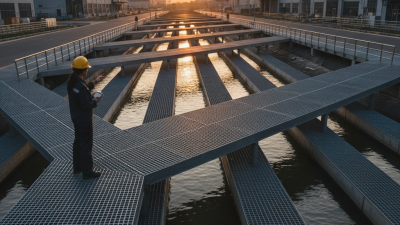
Composite steel grating is known for its remarkable safety features. One significant aspect is its slip resistance. Many projects require surfaces that prevent slips, especially in wet environments. The design of composite steel grating includes openings that allow water to drain quickly, reducing the likelihood of slips. Workers can move confidently across these surfaces, knowing they are less likely to encounter slips and falls.
Load-bearing capabilities are another crucial factor. Composite steel grating can support considerable weight, making it ideal for heavy-duty applications. Its design allows for structural integrity while maintaining lightweight characteristics. This balance is essential in environments where heavy machinery operates. However, one must consider the maximum load capacity carefully. Overestimating this ability can lead to potential failures in safety.
While composite steel grating offers excellent safety features, it requires regular inspection and maintenance. Wear and tear can affect its effectiveness over time. Ensuring that the grating remains in optimal condition is vital. Neglecting these checks may lead to unexpected hazards, contradicting the very benefits it provides. Care and attention to detail are necessary for maximizing the advantages of this innovative material.
Cost-Effectiveness: Long-Term Savings with Composite Steel Grating
When considering materials for your projects, composite steel grating stands out for its cost-effectiveness. It offers long-term savings due to its durability and resistance to corrosion. This material reduces replacement frequency, saving both time and money. Projects can face unexpected expenses if materials deteriorate quickly. Choosing composite steel grating can mitigate these risks.
Overall, lower maintenance costs contribute to long-term savings. The lightweight nature of composite steel grating simplifies installation, decreasing labor costs. However, the initial investment may seem higher than traditional options. It's essential to evaluate the long-term benefits. Sometimes, cheaper alternatives lead to frequent replacements and repairs. This can negate any upfront savings.
Investing in quality materials like composite steel can enhance project durability. While it may seem like a significant expense initially, the potential for fewer repairs and replacements makes it worthwhile. Reflecting on the total cost of ownership benefits long-term planning. In this realm, experience and expertise show that the right choice can lead to substantial financial advantages.