What is the Average Weight of China Best Steel Grating?
Understanding the average weight of steel grating is essential for various industries. Steel grating weight directly impacts engineering decisions, project costs, and installation processes. It's crucial to recognize that different factors influence the weight of steel grating, including material specifications, grid patterns, and dimensions.
Typically made from carbon steel or stainless steel, the weight varies significantly. For example, a standard 1-inch thick steel grating can weigh between 20 to 40 pounds per square foot, depending on its design. However, these figures are not definitive. Several manufacturers provide custom solutions that may differ in weight and attributes.
When assessing steel grating weight, one should consider the project's specific requirements. What might work for one application could be insufficient for another. Understanding these differences helps avoid mistakes. Industry professionals must remain cautious about choosing the right type of steel grating for each task. A thorough evaluation can prevent setbacks and promote safer installations.
Definition and Purpose of Steel Grating
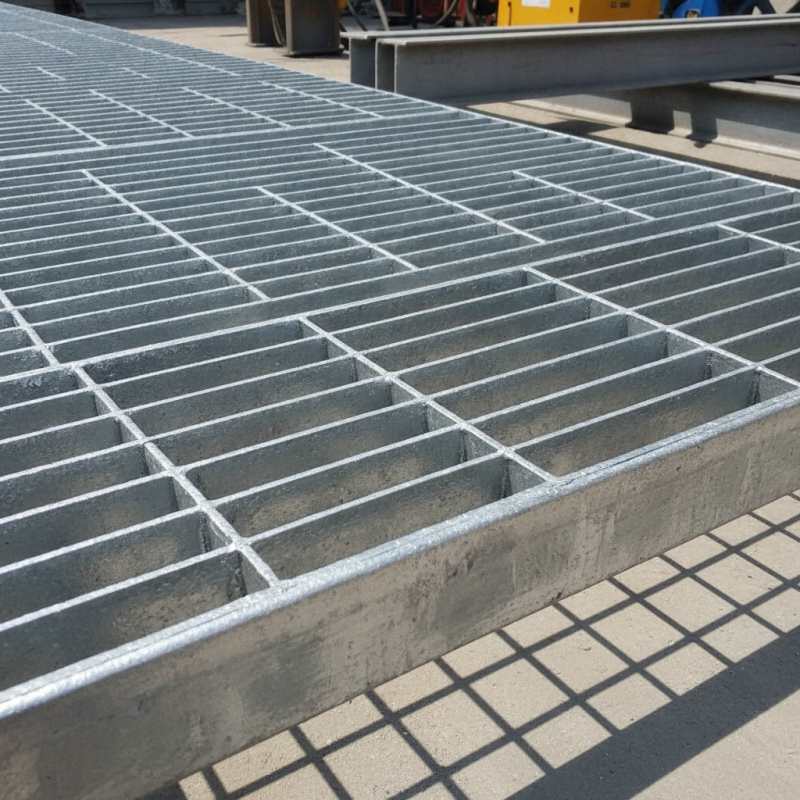
Steel grating is a crucial component in various construction and industrial applications. It consists of a grid-like structure made of metal bars that are welded together. This design allows for strength and durability while providing efficient drainage and ventilation. The primary purpose of steel grating is to support heavy loads while ensuring safety in walkways and platforms. It also offers stability in environments that require rigorous safety standards.
When selecting steel grating, consider its weight and load capacity. Different types of materials can result in varying weights. Generally, the average weight depends on the thickness and spacing of the bars. For instance, a thicker grating will usually weigh more, but it also provides greater strength.
Tips: Always check load ratings before use. Weight alone does not dictate performance.
In some projects, the choice of steel grating can be suboptimal. Many overlook the importance of proper installation, which can affect longevity. Misalignment or inadequate fastening can lead to failures. Reflect on these details to avoid costly mistakes.
Tips: Regular maintenance checks can prolong the life of steel grating. Small repairs can prevent larger issues down the road.
What is the Average Weight of China Best Steel Grating? - Definition and Purpose of Steel Grating
| Type of Steel Grating |
Average Weight (kg/m²) |
Thickness (mm) |
Load Capacity (kN) |
Application |
| Heavy Duty Grating |
85 |
40 |
15 |
Industrial Flooring |
| Light Duty Grating |
55 |
30 |
7.5 |
Walkways and Platforms |
| Fiberglass Grating |
45 |
25 |
5 |
Chemical Plants |
| Steel Bar Grating |
70 |
35 |
10 |
Construction Sites |
| Aluminum Grating |
30 |
20 |
3 |
Light Applications |
Factors Affecting the Weight of Steel Grating
The weight of steel grating is influenced by several critical factors. Material thickness is paramount. Thicker grating generally weighs more. Commonly used thicknesses range from 2mm to 10mm. The type of steel also plays a role. Different alloys offer varying densities and strengths. This choice can significantly impact the overall weight.
Mesh size is another crucial factor. A smaller mesh tends to be denser, which can increase weight. Conversely, larger mesh sizes may lighten the structure. Overall dimensions, such as length and width, directly affect weight. Longer and wider grating sections will weigh more.
Lastly, the manufacturing process can add variability. Fabrication methods might introduce slight inconsistencies in weight. These inconsistencies are important to consider. They can affect how grating performs under load. Thus, understanding these factors is essential for proper application and safety.
Average Weight of China Best Steel Grating
This chart illustrates the average weight of different sizes of steel grating commonly used in China. The weight can vary based on factors such as the material thickness and the design of the grating.
Average Weight Specifications of Best Steel Grating in China
When exploring the average weight of steel grating in China, several factors kick in. These factors include dimensions, material thickness, and design features. Steel gratings are crucial in various applications, from industrial to commercial settings. Knowing the average weight can help in planning and executing projects effectively.
Typically, the weight of a steel grating can range significantly. A common specification might weigh between 10 to 30 kilograms per square meter. The variation relies on the grating design and load capacity. For instance, heavier grates provide better strength but may not always be necessary for lighter loads.
Tips for Choosing Steel Grating: Always consider the load requirements before making a purchase. Assess your project's specific needs. Also, remember to account for transport and installation weight. Sometimes, opting for a lighter solution can save costs and ease installation. Engaging with industry experts can provide insights into the best options tailored for your project. Relying too much on generic data can lead to miscalculations.
Comparison of Steel Grating Types and Their Weights
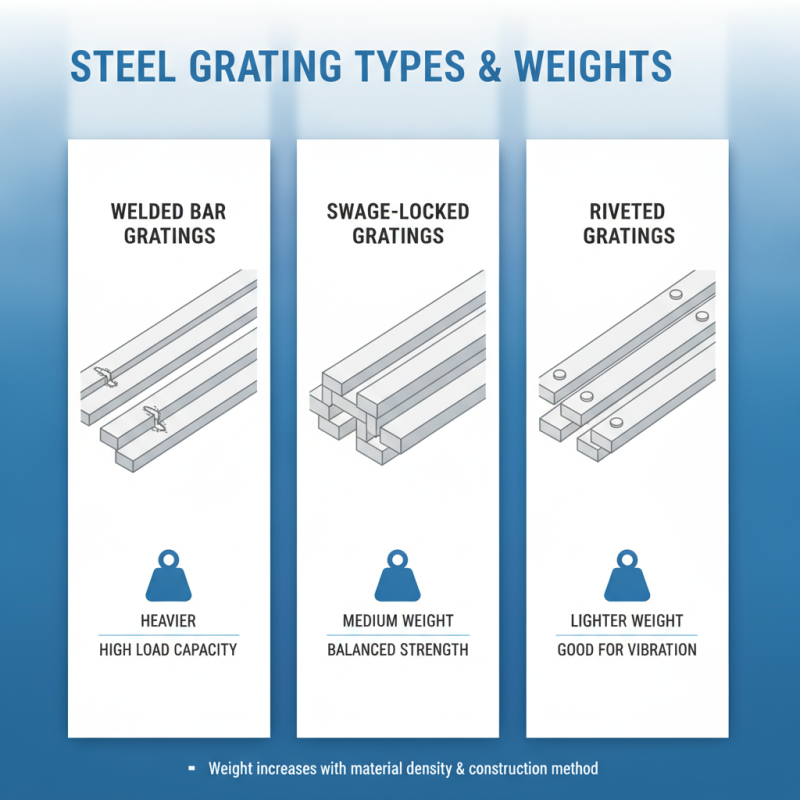
When considering steel gratings, various types present different weight characteristics. The most common types are welded bar gratings, swage-lock gratings, and riveted gratings. Each of these types is manufactured differently. These methods impact their weight significantly. For instance, welded bar gratings are often heavier due to the additional material used in construction. They tend to provide a higher load-bearing capacity.
Swage-lock gratings, on the other hand, offer a lighter alternative. Their unique design allows for reduced material usage while maintaining strength. This variation makes them appealing for projects where weight is a concern. Riveted gratings typically fall in between these two in terms of weight. They are sturdy but may not be as lightweight as swage-lock options.
It's essential to analyze the specific project requirements when selecting the type of steel grating. Weight plays a crucial role in installation and durability. However, prioritizing weight should not come at the expense of load capacity and safety standards. Finding a balance can be challenging but necessary for an ideal solution. Each type presents its advantages and potential drawbacks, and careful consideration is vital.
Applications and Industries Utilizing Steel Grating Weight Data
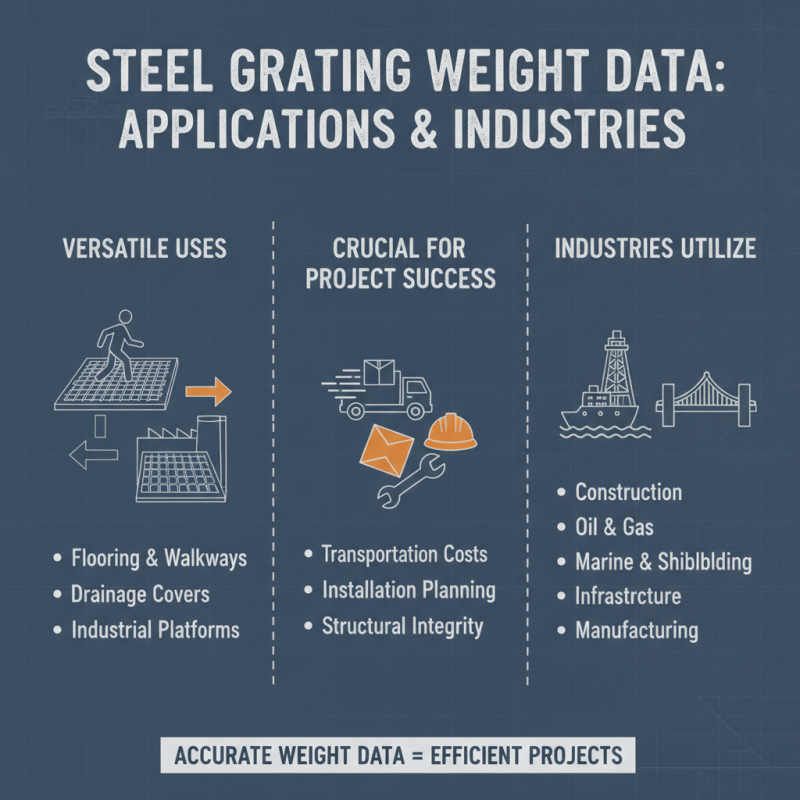
Steel grating is widely used in many industries due to its lightweight and durable nature. It serves as flooring, walkways, and even drainage covers. Knowing the average weight of steel grating is crucial for engineers and builders. It affects transportation costs and installation methods. However, overestimating or underestimating weight can lead to project delays.
In construction, accurate weight data supports safety and compliance. Lightweight grating allows for easier handling during installation. This is particularly important in high-rise buildings where lifting equipment might be limited. Industries such as oil and gas also rely on this data. They require dependable materials for long-term projects. Yet, variations in weight due to manufacturing processes can introduce uncertainty.
Applications extend beyond traditional uses. Industries might employ steel grating in water treatment plants or maritime facilities. These settings demand specific weight considerations for structural integrity. However, it's vital to examine weight data carefully. Miscalculations could result in serious consequences, including equipment failure. Understanding the average weight helps professionals make informed decisions.