2026 Top Plain Grating Trends for Global Buyers?
The plain grating market has seen significant evolution in recent years. Buyers are increasingly focused on efficiency and durability when selecting their products. With 2026 on the horizon, understanding the latest trends in plain grating is vital.
These trends reflect changes in industries such as construction, architecture, and manufacturing. New designs emphasize lightweight materials, while maintaining strength. Sustainability is more crucial than ever, with eco-friendly options becoming popular.
Buyers need to be aware of challenges in the supply chain, which can affect availability. Additionally, choosing reliable suppliers is essential for securing quality products. The future of plain grating looks promising, yet demands adaptability to emerging market needs. Keeping these factors in mind will ensure informed purchasing decisions.
2026 Overview of Plain Grating Market Trends Globally
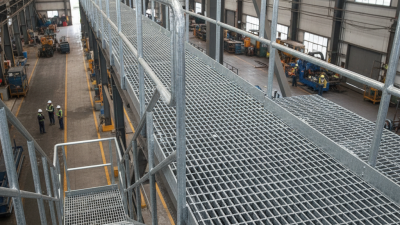
The plain grating market is witnessing notable evolution. By 2026, buyers can expect diverse trends shaping this industry. Increased demand for lightweight materials is evident. These materials not only reduce transportation costs but also enhance ease of installation. Durability remains a priority. Buyers seek grating solutions that withstand environmental factors.
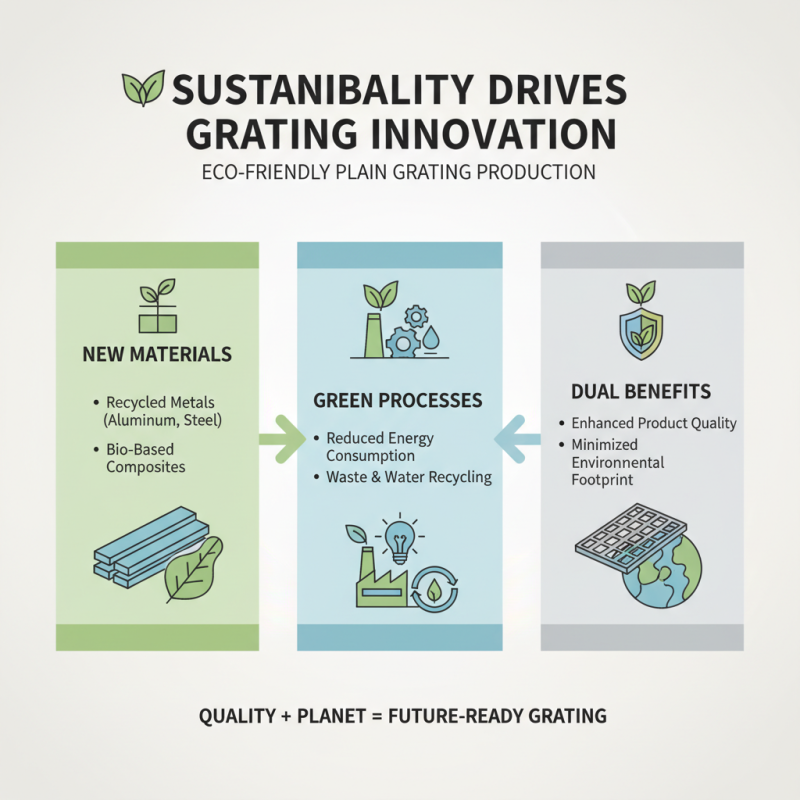
Sustainability is a rising concern among consumers and manufacturers. Eco-friendly materials gain traction. However, this trend faces challenges in sourcing and production. Balancing performance and sustainability is critical. Many manufacturers must rethink traditional methods to meet new demands.
Customization is another emerging trend. Buyers increasingly desire tailored grating solutions for specific applications. This shift requires manufacturers to invest in flexible production processes. While customization expands options, it can strain supply chains. Some buyers may find longer lead times frustrating. Adapting to these evolving trends will be essential for sustained growth in the plain grating market.
Key Innovations in Material Technology for Plain Grating
Plain grating is evolving rapidly, especially with innovations in material technology. The global market for plain grating is expected to reach $3.2 billion by 2026, driven by increased demand in construction and infrastructure. Lightweight materials, such as fiberglass-reinforced polymers, are becoming popular. These materials offer higher strength-to-weight ratios, making installations easier and safer.
Recent data from the Material Science Institute highlights advancements in corrosion-resistant coatings. These coatings extend the lifespan of plain grating significantly. Studies show that grating with these coatings can last up to 30% longer in harsh environments. However, the market still faces challenges. The production costs of high-performance materials can be prohibitive, limiting their adoption in some regions.
Recycling and sustainability are other emerging trends. The industry is looking into bio-based composites as an alternative. While promising, these materials need thorough testing for strength and durability. The balance between innovation and reliability remains delicate. Robust testing protocols are critical to avoid potential failures that could pose safety risks.
Regional Demand Variations for Plain Grating in 2026
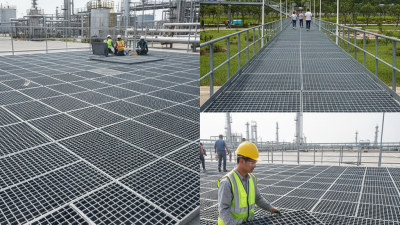
In 2026, the demand for plain grating will vary significantly across different regions. In North America, industrial applications will drive most of the demand. Factories and warehouses are investing more in durable flooring solutions. However, sustainability concerns are growing. Buyers want eco-friendly options, leading to a shift toward recycled materials.
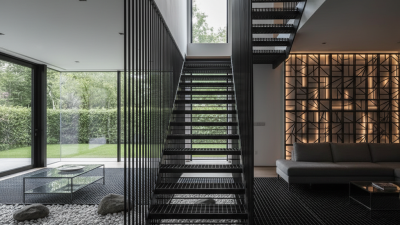
In Europe, the trend is slightly different. Here, innovation and design are key factors. Urban planners and architects are seeking aesthetically pleasing solutions. This focus on design could lead to a shortage of plain grating that balances beauty and durability. Pricing pressures will also emerge, as consumers often want high-quality materials without the high cost.
Asia-Pacific represents a diverse market. There's a mix of industrial and residential needs, with emerging economies increasing their infrastructure projects. Yet, the market is still fragmented. Quality control remains a challenge for many suppliers. Buyers will need to carefully evaluate their options, balancing cost with quality. The regional variations demonstrate the complexity of the global plain grating market in 2026.
2026 Global Demand Variations for Plain Grating
Future Challenges and Opportunities in the Plain Grating Sector
The plain grating sector faces a complex landscape as we head toward 2026. Industry reports project a steady growth rate of around 5% annually, driven by increased demand in construction and infrastructure. However, challenges loom, especially concerning sustainability and material sourcing. A significant portion of the current grating solutions relies on non-renewable resources, raising questions about long-term viability.
Moreover, the market is witnessing an evolution in consumer preferences. Buyers increasingly seek eco-friendly alternatives. They demand products that meet stringent environmental standards. A recent industry survey noted that over 70% of buyers are willing to pay a premium for sustainable options. This shift presents opportunities for innovation. Manufacturers must rethink their production methods and sourcing strategies. Yet, many companies are still hesitant to invest in research and development due to perceived risks.
Additionally, the regulatory landscape is evolving. Governments are imposing stricter regulations to promote sustainability. Some manufacturers struggle to keep pace with these changes. Compliance can be daunting, often incurring significant costs. Emerging from this is the necessity for collaboration across the supply chain. Knowledge sharing and joint ventures may hold the key to navigating these uncertainties. The path ahead requires adaptability and a commitment to innovation.
2026 Top Plain Grating Trends for Global Buyers
| Trend |
Description |
Potential Challenge |
Opportunities |
Market Impact |
| Sustainability Focus |
Growing demand for eco-friendly materials and products. |
Higher production costs for sustainable materials. |
Ability to attract environmentally conscious consumers. |
Positive brand image and increased market share. |
| Customization |
Increased demand for tailored solutions to meet specific needs. |
Complexity in production processes. |
Higher customer satisfaction and loyalty. |
Differentiation in competitive markets. |
| Digital Integration |
Adoption of smart technologies and data analytics in production. |
Need for significant investment in technology and training. |
Improved operational efficiency and decision-making. |
Positioning as a leader in innovation. |
| Health & Safety Standards |
Greater emphasis on worker safety and industry regulations. |
Compliance with evolving regulations can be complicated. |
Fostering a safe work environment can enhance reputation. |
Lower accident rates and improved employee morale. |
| Global Sourcing |
Access to a wider variety of materials and methods from around the world. |
Potential supply chain disruptions due to geopolitical factors. |
Opportunity to leverage lower costs and innovative materials. |
Enhanced flexibility and product offerings. |