2026 Top Heavy Duty Steel Floor Grating Trends and Innovations?
In recent years, the Heavy Duty Steel Floor Grating industry has seen remarkable advancements. Experts like John Harris, a leading engineer in industrial flooring solutions, emphasizes, "Innovation is key to creating safer and more efficient work environments." This sentiment resonates as companies seek to enhance safety and performance.
2026 is expected to bring new trends that prioritize strength, durability, and customization. Modern manufacturing techniques allow for lightweight designs without sacrificing structural integrity. However, not all innovations will meet user expectations. Engaging with industry leaders can help clarify the best options available.
As the market evolves, it is crucial to remain informed. Potential users must consider the unique needs of their applications. Some may find existing products insufficient. Focusing on the right innovations will ensure that Heavy Duty Steel Floor Grating continues to perform effectively, paving the way for safer workplaces.
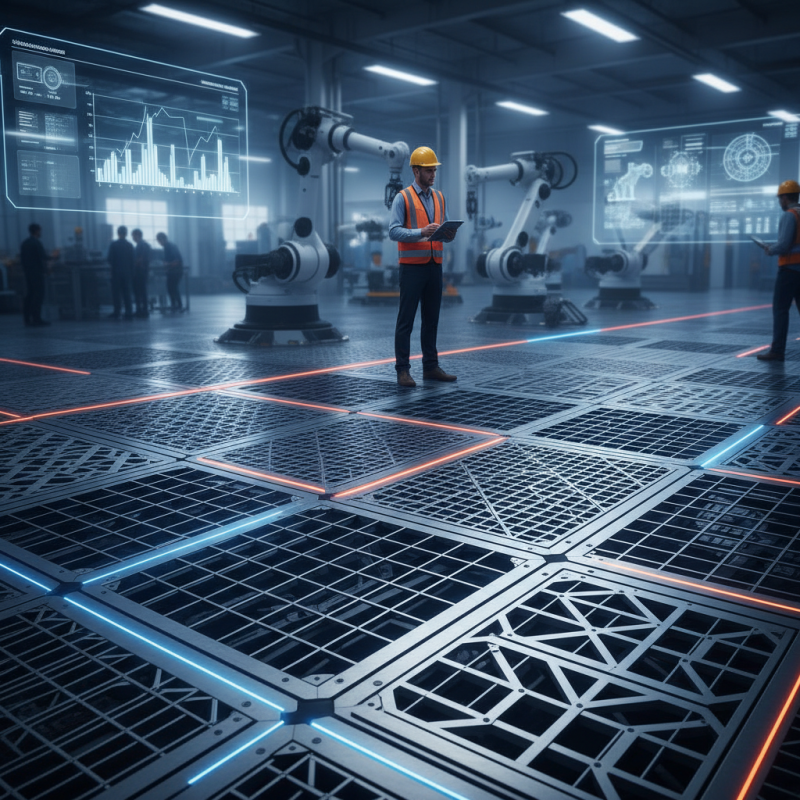
2026 Overview of Heavy Duty Steel Floor Grating Market Trends
The heavy-duty steel floor grating market is evolving rapidly. Innovations are focused on strength and durability. According to a 2023 market report, the global heavy-duty steel grating market is projected to grow by 5.2% annually. This growth is driven by demand in various sectors, including construction, manufacturing, and transportation.
Sustainability is a key trend. Many manufacturers are adopting eco-friendly practices. Recyclable materials are now preferred. The shift towards sustainable production reflects consumer awareness around environmental issues. Additionally, innovative designs enhance safety and efficiency. For example, slip-resistant grates are becoming standard in industrial applications. This trend not only improves worker safety but also reduces liability for companies.
Cost is another consideration. While high-quality grates may come with a steeper price tag, they often offer better long-term value. Companies must evaluate the trade-off between initial investment and durability. Despite advancements, some areas still require improvement. For instance, the installation process can be complex and labor-intensive. Addressing these challenges will be essential for future market growth.
Advancements in Materials and Manufacturing Techniques for Gratings
The advancements in materials for heavy-duty steel floor grating are noteworthy. Recent reports indicate a rise in the use of high-strength steel alloys, improving durability and performance. These materials frequently withstand greater loads and resist corrosion. A study from the Metal Floor Grating Association notes that these innovations can enhance the lifespan of grating products by up to 20%. This shift significantly impacts construction and industrial applications.
Innovative manufacturing techniques are also emerging. 3D printing is gaining a foothold, allowing for more complex designs. This technology leads to reduced waste and offers customization options. The American Institute of Steel Construction expects this method will grow by 15% in the next three years. However, challenges remain in material consistency and cost-effectiveness. Companies must navigate balancing innovation with traditional production methods.
Environmental considerations are pushing the industry towards sustainable practices. Manufacturers are exploring recycled materials without compromising quality. While the market is moving in this direction, concerns about performance under extreme conditions linger. Embracing these innovations is key, yet companies must conduct thorough evaluations to maintain reliability in diverse applications.
Sustainability in Heavy Duty Steel Floor Grating: Emerging Innovations
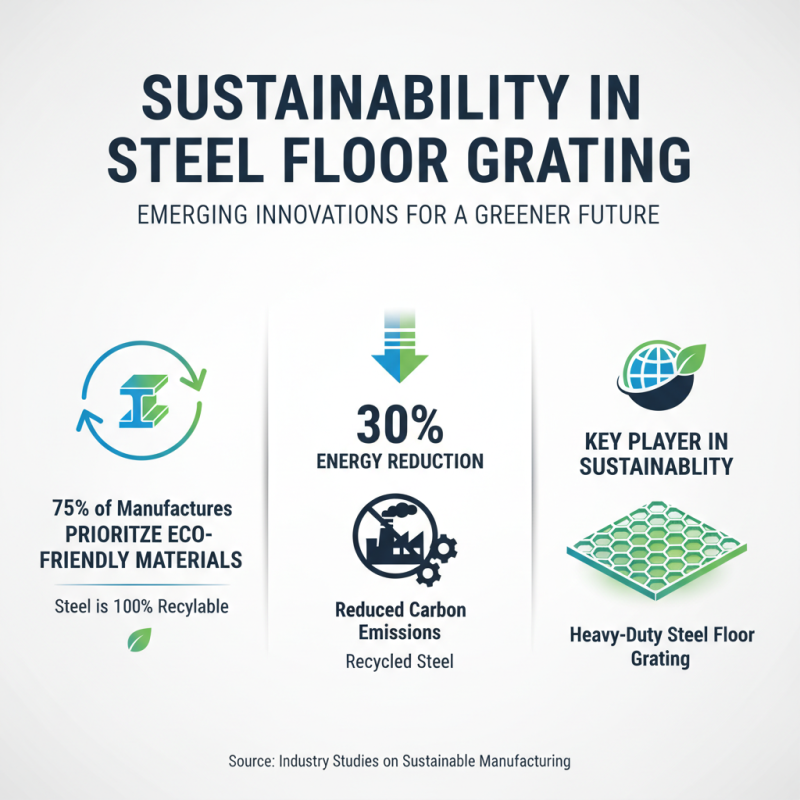
The heavy-duty steel floor grating industry is witnessing significant innovations driven by sustainability. Recent studies show that 75% of manufacturers are prioritizing eco-friendly materials in their products. Steel, being recyclable, is a key player in this movement. The use of recycled steel can reduce energy consumption by about 30% during production, which is crucial in mitigating carbon emissions.
New technologies are emerging that focus on enhancing the durability of steel grates while minimizing environmental impact. For example, corrosion-resistant coatings are gaining popularity, extending the lifespan of grating. These innovations improve both performance and sustainability. A report indicates that these coatings can increase the lifespan of steel grating by up to 50%, leading to less frequent replacements and decreased waste.
However, challenges remain in ensuring that these innovations are accessible. Many small manufacturers still struggle to adopt sustainable practices due to high costs. This inconsistency highlights a gap in the industry, where greener options are not uniformly available. Developing strategies to make sustainable materials affordable is essential for widespread adoption. The journey towards sustainability in heavy-duty steel floor grating is ongoing, urging continuous improvement and innovation.
Applications of Heavy Duty Steel Floor Grating in Various Industries
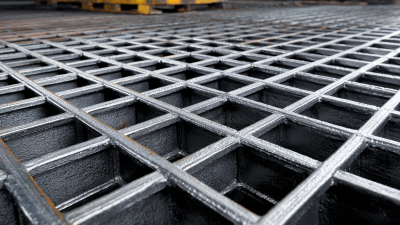
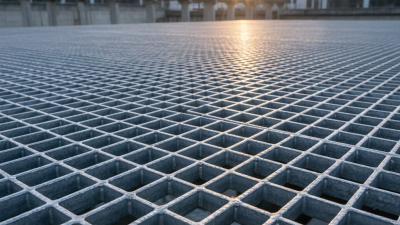
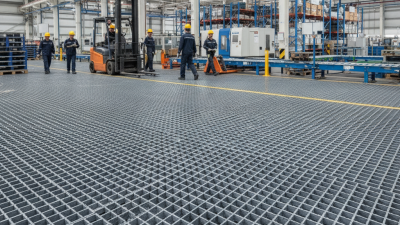
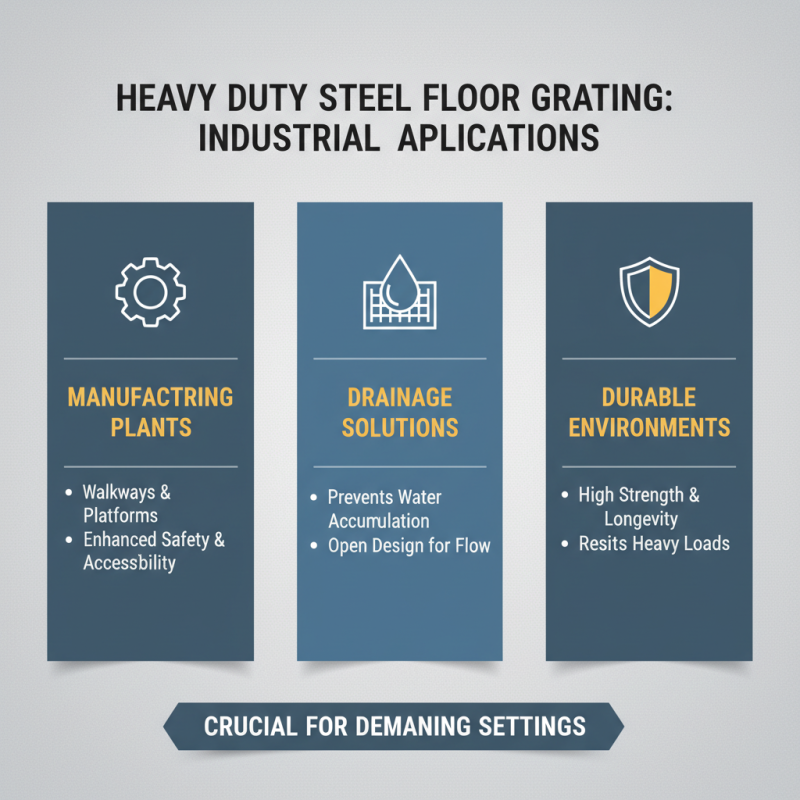
Heavy duty steel floor grating plays a crucial role in various industries. Its strength and durability make it ideal for demanding environments. Manufacturing plants often utilize this type of grating for walkways and platforms. These applications enhance safety and accessibility for workers. Additionally, the open design allows for easy drainage, preventing water accumulation.
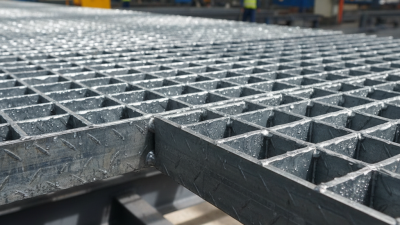
In the construction sector, heavy duty steel floor grating supports heavy machinery and equipment. It can withstand significant weight, making it suitable for loading docks and storage areas. Furthermore, the grating’s non-slip surface improves traction. This feature is essential in conditions where spills are common. However, some grating pieces may require regular maintenance due to wear and tear over time.
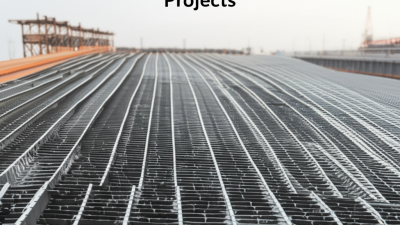
The transportation industry relies on heavy duty steel floor grating for bridges and walkways. These installations must endure constant pressure and traffic. Engineers must often assess the grating to ensure safety standards are met. Despite the material's strength, environmental factors can lead to corrosion. Thus, a proactive approach to maintenance is recommended to prevent future issues.
Future Outlook: The Next Generation of Heavy Duty Steel Grating Solutions
The future of heavy-duty steel grating is evolving rapidly. Advancements in materials and technology focus on sustainability and durability. Recent reports show the global steel grating market will grow at a CAGR of 6.5% from 2023 to 2030. This growth indicates a strong demand for innovative solutions.
One major trend is the development of lightweight materials. These materials maintain strength while reducing production costs. Additionally, coatings that improve corrosion resistance are becoming standard. Reports suggest that up to 40% of traditional coatings fail in harsh environments. Thus, enhancing their lifespan is crucial for industries.
Another important innovation is the integration of smart technologies. Sensors installed in grating can monitor loads and wear in real-time. Such data can prevent failures and enhance safety. However, the challenge lies in balancing cost and technology adoption. Many industries remain hesitant to invest in these solutions, despite long-term benefits.
2026 Top Heavy Duty Steel Floor Grating Trends and Innovations